

Bad breath in dogs and cats is often brushed off as a minor nuisance, yet that sour smell can signal deeper health concerns. Persistent odor from your pet’s mouth may reflect plaque buildup, sore gums, hidden infections, or other issues that quietly affect comfort and appetite.
This guide explains why bad breath happens, what signs pet owners should notice, and when professional help matters. You will also learn simple daily habits that protect long-term pet dental health and keep your companion’s mouth fresh.
For families who love walks through local parks and cozy evenings at home, knowing these warning signs helps protect beloved pets across Burr Ridge, IL.
Why Bad Breath Happens in Pets
Many pet owners notice unpleasant breath during close moments such as cuddling or playtime. A mild smell after meals can occur, yet a strong odor that lingers day after day deserves attention. Food particles mix with natural bacteria inside the mouth, forming a sticky film on teeth called plaque. Without routine cleaning, that film hardens and irritates the gums.
Redness, swelling, and bleeding may follow. Pets rarely complain, so owners often miss the early stage of trouble. Breath becomes sharper while chewing habits change. Some pets drop kibble from their mouth or prefer softer food. These small clues reveal that something inside the mouth needs attention.
Why Bad Breath Can Point to Larger Health Issues
Bad breath sometimes begins with simple plaque, yet it may also signal deeper conditions. Gum infection allows bacteria to travel below the gum line, irritating sensitive tissue. Pain can grow slowly while pets hide discomfort.
In difficult situations, infection may affect nearby bone and loosen teeth. Odor can also hint at problems beyond the mouth. Digestive trouble may cause unusual smells. Kidney disease can create a chemical scent on the breath. Diabetes sometimes produces a sweet odor.
These signs do not confirm illness alone, yet they encourage prompt evaluation. Pet owners who trust their instincts and seek guidance early often prevent larger complications later.
Signs Pet Owners Should Watch For
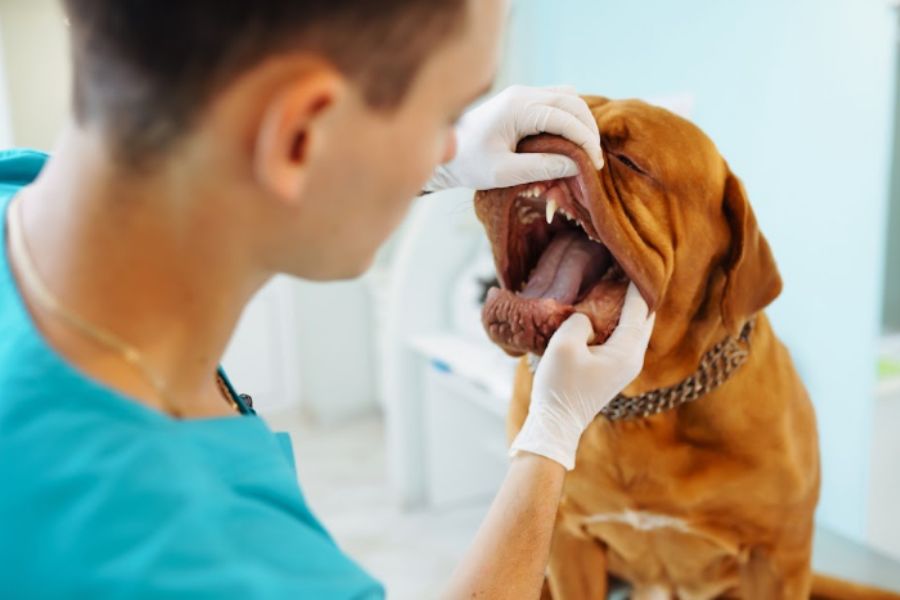
A quick look inside your pet’s mouth can reveal helpful clues. Pale pink gums usually indicate comfort. Dark red swelling suggests irritation. Brown buildup along teeth signals plaque that needs removal.
Drooling more than usual may show soreness. Pawing at the mouth or rubbing the face against furniture can also suggest pain. Breath remains the clearest everyday signal. If the smell becomes strong enough to be noticed across the room, schedule a checkup.
Regular exams support strong pet dental health and help uncover hidden issues before they worsen.
Daily Habits That Keep Breath Fresh
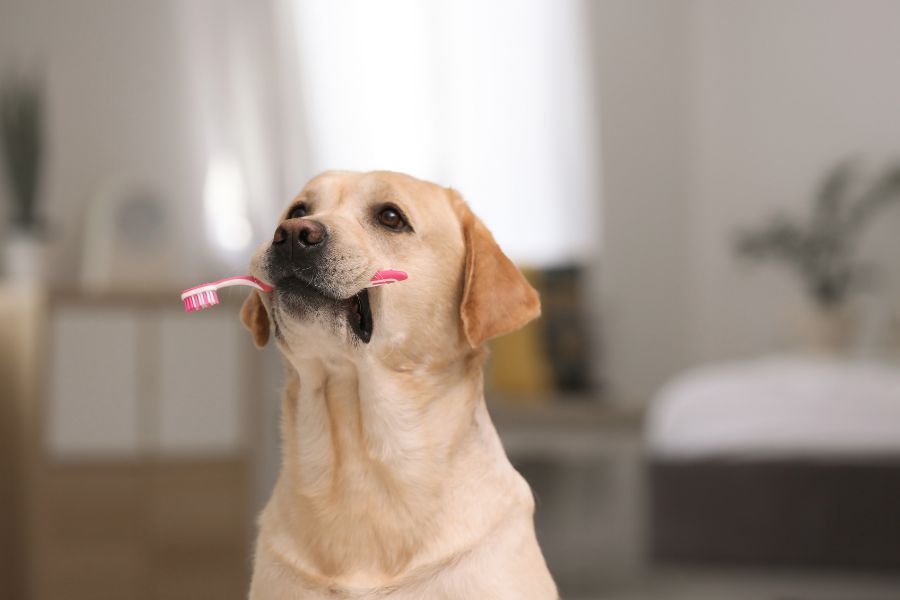
Healthy routines at home make a major difference. Brushing a pet’s teeth several times each week removes food particles before plaque forms. Special pet toothbrushes and flavored toothpaste simplify the process.
Dental chews designed for pets provide another layer of care. Crunchy textures gently scrape the tooth surface. Balanced diets also matter. High-quality food supports strong teeth and gums.
Clean water encourages natural rinsing inside the mouth. Routine wellness visits allow professionals to examine teeth closely and clean buildup safely. Owners often feel surprised by how quickly fresher breath returns after proper care begins.
Community Life and Pet Comfort
Families in active suburban communities spend time outdoors with their animals. Morning walks along neighborhood sidewalks or visits to nearby green spaces bring pets close to people and other animals. Fresh breath matters during those friendly encounters.
Lingering odor can signal discomfort that reduces a pet’s enthusiasm for play. Local clinics often guide owners through practical dental routines suited to everyday life. Curious about additional wellness services for your dog or cat? Visiting the clinic’s website offers a clear view of preventive care, diagnostics, grooming, and other support designed to keep pets healthy and comfortable.
Conclusion
Fresh breath reflects comfort and confidence for pets who share daily life with their families. Paying attention to early odor changes allows faster care and better protection for your pet’s well-being.
We are conveniently located in Burr Ridge, IL, and welcome you to our facility at 807 Village Center Dr, Burr Ridge, IL 60527—where compassionate care and community come together for your pet’s well-being. Book an appointment with Harvester Veterinary Hospital.
Frequently Asked Questions(FAQs):
1. Why does my pet’s breath smell worse in the morning?
A: Overnight saliva flow slows slightly, allowing bacteria to multiply on teeth and gums. The odor often fades after eating or drinking. Strong breath that continues throughout the day may indicate plaque buildup or irritated gums.
2. Can dental treats replace brushing?
A: Dental treats help reduce plaque, yet they cannot fully replace brushing. Direct cleaning removes sticky buildup along the gum line. Using both brushing and dental chews together improves everyday oral care for most pets.
3. How often should my pet receive a dental check?
A: Most dogs and cats benefit from yearly oral exams. Pets with heavy plaque or previous gum problems may need more frequent visits. Your clinic can suggest a schedule based on your pet’s age, lifestyle, and condition.
4. Is bad breath always caused by teeth problems?
A: Not always. Odor may relate to digestive upset, kidney trouble, or metabolic conditions. Persistent unusual smells deserve attention because the mouth can reflect broader health changes within the body.
5. Do cats develop dental disease like dogs?
A: Yes. Cats often experience plaque buildup and inflamed gums. Because cats hide pain quietly, owners may notice only bad breath or reduced appetite. Early exams help protect comfort and prevent tooth loss.
6. When should I schedule a dental visit?
A: Arrange an appointment if breath becomes suddenly foul, gums bleed, teeth look loose, or your pet struggles to chew. Early attention prevents painful infections and protects long-term comfort.