


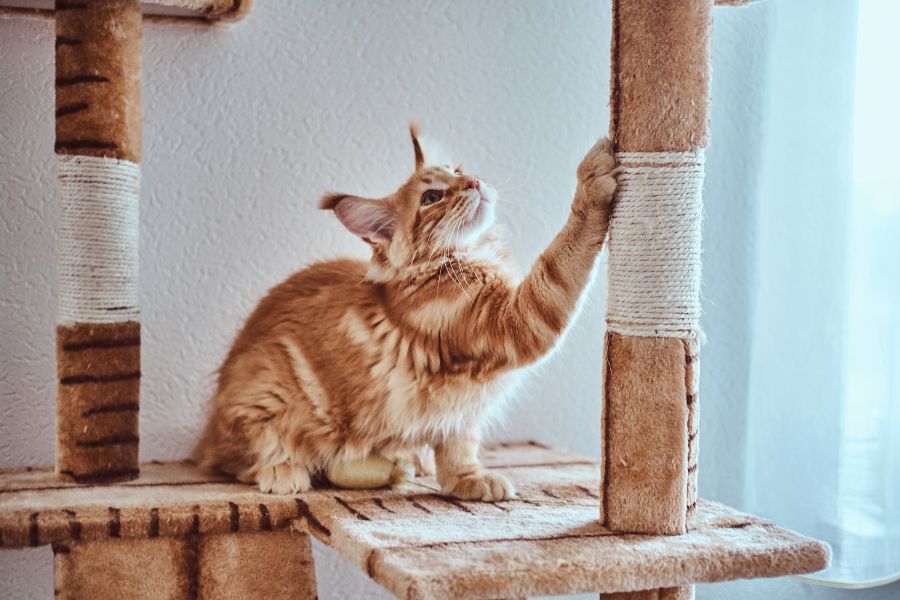
Sharing your home with a cat brings comfort, personality, and plenty of memorable moments. It can also bring scratched sofas, damaged chairs, and worn-out carpets if your cat turns your furniture into a scratching zone. The good news is that scratching is not bad behavior—it is natural and necessary. With the right approach, you can protect your home while keeping your cat happy and healthy.
This guide offers a clear and practical look at how to stop cats from scratching furniture, why they do it, and what you can do today to create a cat-friendly home that works for both of you.
Why Do Cats Scratch Furniture?
Before you try to fix the problem, it helps to understand it. Scratching is part of a cat’s daily routine.
1. It Keeps Their Claws Healthy
Cats scratch to remove the outer layer of their claws. This keeps their claws sharp and functional.
2. It Marks Territory
Cats have scent glands in their paws. When they scratch, they leave both a visual mark and a scent signal.
3. It Relieves Stress
Scratching can help cats release energy or cope with changes in their environment.
4. It Stretches Their Muscles
Scratching allows cats to stretch their back, legs, and paws. It is a form of exercise.
Understanding these reasons is key. Your goal is not to stop scratching altogether—it is to redirect it.
How to Stop Cats from Scratching Furniture
If you are wondering how to stop cats from scratching furniture, the answer lies in redirection, consistency, and creating better options.
1. Provide the Right Scratching Posts
Cats will choose what feels good. If your couch is more appealing than a scratching post, they will go for the couch.
What works best:
- Tall, sturdy scratching posts
- Materials like sisal, cardboard, or wood
- Posts are placed in visible and commonly used areas
Place scratching posts near furniture that your cat already targets. This makes the transition easier.
2. Use Positive Reinforcement
Reward your cat when they use the right surface.
Try this approach:
- Offer treats immediately after using a scratching post
- Use a calm, encouraging tone
- Repeat consistently
Cats learn faster with rewards than with punishment.
3. Make Furniture Less Appealing
If your furniture is currently the favorite spot, make it less attractive.
Simple solutions:
- Use double-sided tape or furniture protectors
- Add slipcovers or throws
- Apply pet-safe deterrent sprays
Cats dislike sticky or unfamiliar textures, so they will look for alternatives.
4. Trim Your Cat’s Nails Regularly
Shorter nails cause less damage and reduce the urge to scratch aggressively.
Tips for nail trimming:
- Trim every 2–3 weeks
- Use proper pet nail clippers
- Stay calm and go slowly
If you are unsure how to do this safely, it is best to consult a professional.
5. Create a Cat-Friendly Environment
Boredom often leads to destructive behavior.
Keep your cat engaged:
- Offer toys that mimic prey movement
- Rotate toys to keep interest fresh
- Provide climbing spaces like cat trees
A mentally stimulated cat is less likely to target your furniture.
How to Cat-Proof Your Home Effectively
Cat-proofing is not about restriction. It is about designing your home with your cat in mind.
1. Choose Durable Materials
If you are buying new furniture, consider:
- Tightly woven fabrics
- Leather or microfiber surfaces
- Scratch-resistant finishes
Avoid loose weaves that catch claws easily.
2. Protect High-Risk Areas
Some areas are more likely to be scratched than others.
Focus on:
- Corners of sofas
- Armrests
- Entryways
Use guards or covers in these spots.
3. Provide Vertical Space
Cats love height. Giving them vertical territory reduces their focus on furniture.
Add:
- Cat trees
- Wall-mounted shelves
- Window perches
These options satisfy their natural climbing instincts.
4. Keep a Routine
Cats thrive on predictability. Feeding, playtime, and rest should happen at regular times.
A stable routine reduces stress, which in turn reduces unwanted scratching.
Common Mistakes to Avoid
When learning how to stop cats from scratching furniture, many owners unknowingly make these mistakes.
1. Punishing Your Cat
Yelling or physical punishment creates fear, not understanding. It can damage your bond and increase stress-related behaviors.
2. Removing Scratching Options
Taking away scratching posts does not solve the issue. It makes the problem worse.
3. Ignoring Early Signs
If your cat starts scratching a new area, act quickly. Early intervention is easier than correcting a habit.
When Scratching May Signal a Bigger Issue
Sometimes scratching goes beyond normal behavior. It may indicate stress, anxiety, or a medical concern.
Watch for:
- Sudden increase in scratching
- Changes in appetite or behavior
- Signs of discomfort
If you notice these changes, it may be time to seek guidance. For professional advice and support, you can visit our website to learn more about care options available for your pet.
Practical Daily Routine to Reduce Scratching
A structured day can make a big difference.
Morning
- Feed your cat
- Offer a short play session
- Guide them to a scratching post
Afternoon
- Leave toys available
- Ensure access to resting areas
Evening
- Interactive play session
- Reward calm and positive behavior
Consistency builds habits that last.
Long-Term Success: What to Expect
Changing scratching habits takes time. Most cats adapt within a few weeks when the right steps are followed.
Stay patient and consistent:
- Keep scratching posts accessible
- Maintain nail care
- Reinforce good behavior
Over time, your cat will naturally choose the right surfaces.
Conclusion: A Balanced Approach Works Best
Protecting your furniture does not mean restricting your cat’s natural behavior. It means guiding it. By understanding why cats scratch and applying practical solutions, you can create a home that works for everyone.
If you are still struggling with persistent scratching or suspect underlying issues, professional guidance can help you find the right solution for your pet’s needs. When you are ready, book an appointment to get personalized advice and ensure your cat stays healthy, comfortable, and well-adjusted.
With the right steps, you can enjoy a scratch-free home and a happy cat—both at the same time.
Frequently Asked Questions (FAQs):
1. Why does my cat ignore the scratching post?
Your cat may not like the material, height, or location. Try different textures and place the post near their favorite scratching spot.
2. How do I stop cats from scratching furniture at night?
Provide evening play sessions to release energy and ensure scratching posts are easily accessible before bedtime.
3. Are deterrent sprays safe for cats?
Most pet-safe sprays are safe when used as directed. Always choose products specifically made for pets.
4. Can declawing solve the problem?
Declawing is not recommended. It can cause pain and long-term behavioral issues.
5. How often should I trim my cat’s nails?
Every 2–3 weeks is ideal, depending on how quickly your cat’s nails grow.
6. What is the best material for scratching posts?
Sisal is widely preferred because it provides the right texture and resistance for scratching.