
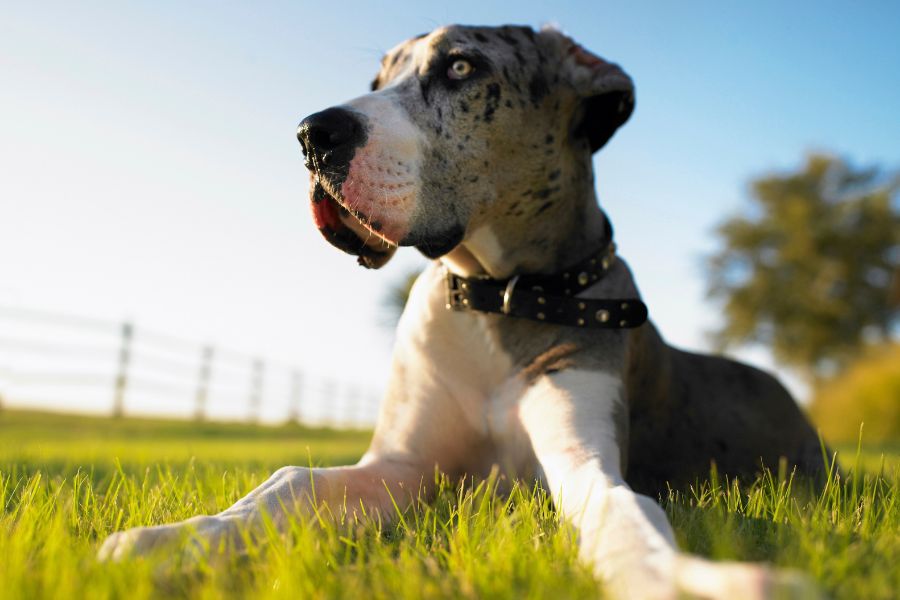
Few dog breeds turn heads like the Great Dane. Their towering height and gentle personality make them unforgettable companions. But along with their size comes a common concern: how long do they actually live?
The life expectancy of Great Dane dogs is often surrounded by confusion. Some people believe they live only a few years, while others assume proper care can extend their lifespan dramatically. This blog takes a clear, honest look at those beliefs and compares them with what science and veterinary data show.
If you’re considering a Great Dane or already share your life with one, understanding the truth can help you make better decisions for their health and happiness.
Understanding the Life Expectancy of Great Dane Dogs
What Science Says
The average life expectancy of Great Dane dogs typically ranges between 7 and 10 years. This is shorter than many smaller breeds, and the primary reason is their size.
Large and giant breeds age faster. Their bodies grow rapidly, which puts more strain on joints, the heart, and other organs. This accelerated growth often leads to earlier aging compared to smaller dogs.
Why Size Affects Lifespan
- Faster growth increases cellular stress
- Larger organs work harder over time
- Higher risk of joint and bone conditions
- Increased likelihood of certain diseases
This doesn’t mean all Great Danes will have a short life. It means their care needs to be more focused and consistent.
Common Myths About Great Dane Lifespan
Let’s break down some of the most common myths and compare them with real facts.
Myth 1: Great Danes Only Live 5–6 Years
Fact:
While some Great Danes may pass away earlier due to health issues, many live well beyond that. With proper care, reaching 8–10 years is realistic.
Early death is often linked to preventable issues such as poor diet, lack of veterinary care, or delayed diagnosis of conditions.
Myth 2: Bigger Means Healthier
Fact:
Rapid growth and excessive size can actually increase health risks. Overfeeding during puppy stages can lead to joint problems and reduce overall lifespan.
Balanced nutrition is more important than size.
Myth 3: There’s Nothing You Can Do to Extend Their Life
Fact:
While genetics play a role, daily care has a major impact. Regular vet visits, proper diet, exercise, and early detection of issues can improve both lifespan and quality of life.
Small choices made every day can add healthy years.
Myth 4: All Great Danes Have the Same Lifespan
Fact:
Lifespan varies depending on:
- Genetics
- Diet
- Activity level
- Preventive care
- Living environment
Two Great Danes from different backgrounds can have very different life outcomes.
Myth 5: Supplements Alone Can Increase Lifespan
Fact:
Supplements can support health, but they are not a replacement for proper veterinary care, balanced nutrition, and regular monitoring.
Key Health Factors That Influence Lifespan
Understanding what affects the life expectancy of Great Dane dogs helps you take practical steps toward better care.
1. Genetics and Breeding
Responsible breeding reduces the risk of inherited conditions. Poor breeding practices can lead to heart disease, joint disorders, and shorter lifespans.
When choosing a puppy, always look for health-tested parents.
2. Nutrition
Diet plays a direct role in growth and long-term health.
What to focus on:
- Large-breed-specific dog food
- Controlled calcium and phosphorus levels
- Avoiding overfeeding
- Consistent feeding schedule
Rapid growth caused by excess calories can damage developing bones.
3. Exercise and Activity
Great Danes need regular activity, but not intense exercise during early growth stages.
Best practices:
- Daily walks
- Moderate play sessions
- Avoid high-impact activities in puppies
Too much strain early on can lead to joint problems later.
4. Preventive Veterinary Care
Routine check-ups are one of the most effective ways to extend your dog’s life.
Preventive care includes:
- Annual exams
- Vaccinations
- Heartworm prevention
- Bloodwork screenings
If your dog shows any unusual symptoms, early evaluation matters. When in doubt, visit our website to learn when veterinary care may be necessary and what signs to watch for.
5. Common Health Conditions
Great Danes are prone to certain conditions that affect lifespan.
Gastric Dilatation-Volvulus (Bloat)
A life-threatening emergency where the stomach twists.
Dilated Cardiomyopathy
A heart condition that reduces pumping ability.
Hip Dysplasia
A joint issue that can lead to pain and mobility problems.
Arthritis
Common in large breeds as they age.
Early detection and management of these conditions can significantly improve quality of life.
How to Help Your Great Dane Live Longer
Improving the life expectancy of Great Dane dogs is about consistent care rather than quick fixes.
1. Build a Healthy Routine
- Feed a balanced diet
- Maintain a healthy weight
- Provide regular exercise
- Keep a consistent schedule
2. Watch for Early Warning Signs
Pay attention to:
- Changes in appetite
- Lethargy
- Difficulty walking
- Breathing issues
- Swollen abdomen
These signs may indicate serious conditions and should not be ignored.
3. Create a Safe Environment
- Provide soft bedding to support joints
- Avoid slippery floors
- Use raised food bowls if recommended
- Keep stress levels low
4. Stay Consistent with Vet Visits
Routine care helps catch problems before they become severe. Preventive care is always more effective than emergency treatment.
Quality of Life vs Lifespan
While many owners focus on how long their dog will live, the quality of life is just as important.
A healthy Great Dane should:
- Move comfortably
- Eat well
- Show interest in daily activities
- Interact with family
A shorter life filled with comfort and care is far better than a longer life with unmanaged pain.
Making Informed Decisions as a Pet Owner
Understanding the truth about the life expectancy of Great Dane dogs helps you prepare for both the joys and responsibilities of ownership.
It allows you to:
- Plan long-term care
- Recognize early health concerns
- Provide the right nutrition and exercise
- Build a strong relationship with your veterinarian
Clear knowledge replaces guesswork and helps you give your dog the best possible life.
Conclusion: Take Action for Your Great Dane’s Health
Great Danes may not have the longest lifespan, but they offer unmatched companionship and loyalty. Their health depends on informed, consistent care from the people who love them.
By understanding the facts and avoiding common myths, you can make choices that support both longevity and quality of life.
If you have questions about your dog’s health or want guidance tailored to their needs, it’s time to take the next step. Book an appointment with your veterinarian to create a care plan that supports your Great Dane at every stage of life.
Frequently Asked Questions (FAQs):
1. What is the average life expectancy of Great Dane dogs?
A: Most Great Danes live between 7 and 10 years, depending on genetics and overall care.
2. Can a Great Dane live longer than 10 years?
A: Yes, some Great Danes exceed 10 years with excellent care, though it is less common.
3. What is the biggest health risk for Great Danes?
A: Bloat (gastric dilatation-volvulus) is one of the most serious and life-threatening conditions.
4. Does diet really affect a Great Dane’s lifespan?
A: Yes. Proper nutrition supports healthy growth, reduces joint issues, and improves overall longevity.
5. How often should a Great Dane visit the vet?
A: At least once a year for healthy adults, and more often for seniors or dogs with health concerns.
6. Are Great Danes good for first-time dog owners?
A: They can be, but their size, health needs, and shorter lifespan require commitment and preparation.