


Are lilies toxic to dogs? Many pet owners wonder about this, especially when these flowers are commonly found in homes and gardens. While lilies are famously dangerous for cats, lily toxicity in dogs is often misunderstood. In this detailed guide, we’ll explain what happens if your dog eats lilies, the most common lily poisoning symptoms, available lily poisoning treatment, and when to seek veterinary diagnostic care. Understanding these risks can help you act quickly and keep your dog safe.
Are Lilies Toxic to Dogs?
The answer isn’t a simple yes or no. Some lilies are toxic to dogs, but the level of danger varies depending on the type of lily.
Unlike cats, dogs are less sensitive to the toxins found in true lilies. However, that doesn’t mean they’re safe. Certain species can still cause irritation or digestive upset, and in some cases, more serious symptoms.
Common Types of Lilies and Their Effects:
- Peace lilies and Calla lilies: Cause oral irritation, drooling, and discomfort
- Peruvian lilies: May lead to mild stomach upset
- True lilies (Easter, Tiger, Daylily): Highly toxic to cats but can still affect dogs if ingested in larger amounts
Because it’s difficult to identify plant types quickly, any suspected lily toxicity in dogs should be treated with caution.
What Happens If Your Dog Ate Lily?
If your dog ate a lily, symptoms usually begin within a few hours. Dogs often chew plants out of curiosity, boredom, or play behavior, especially in backyards or during walks around Burr Ridge neighborhoods.
Factors That Affect Severity:
- Type of lily consumed
- Amount ingested
- Your dog’s size, age, and health
Early Signs to Watch For:
- Excessive drooling
- Vomiting
- Pawing at the mouth
- Loss of appetite
Even if your dog only chewed a small amount, these early lily poisoning symptoms can appear quickly.
Common Lily Poisoning Symptoms in Dogs
Recognizing symptoms early is essential to prevent complications. Most cases of lily toxicity in dogs involve gastrointestinal irritation.
Mild Symptoms:
- Drooling
- Nausea
- Vomiting
- Diarrhea
Moderate Symptoms:
- Lethargy
- Decreased appetite
- Mild dehydration
Severe (Less Common) Symptoms:
- Persistent vomiting
- Weakness
- Signs of abdominal pain
While dogs usually don’t experience kidney failure like cats, ongoing symptoms still require prompt attention and veterinary diagnostic care.
Why Veterinary Diagnostic Care Is Important
Many pet owners assume that if symptoms seem mild, treatment isn’t necessary. However, veterinary diagnostic care helps ensure your dog isn’t at risk of complications.
What Your Veterinarian May Check:
- Hydration levels
- Gastrointestinal irritation
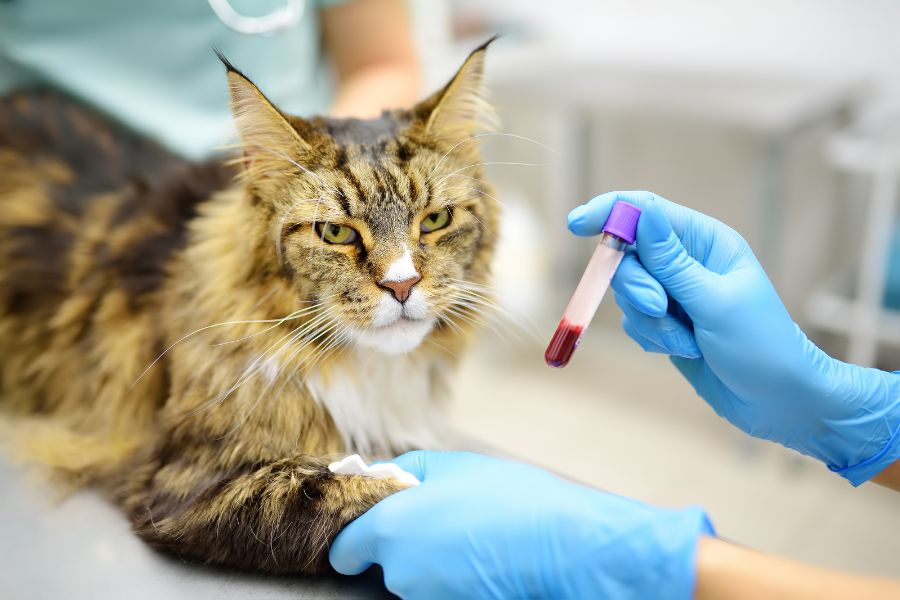
- Organ function through blood work
- Presence of toxins in the system
Even mild symptoms can worsen without proper care. Early evaluation often leads to faster recovery and fewer complications.
Lily Poisoning Treatment Options
Treatment for lily toxicity in dogs depends on how quickly you act and how severe the symptoms are.
Common Treatments Include:
1. Inducing Vomiting
If your dog ate a lily recently, your veterinarian may safely induce vomiting to remove plant material from the stomach.
2. Activated Charcoal
This helps limit toxin absorption in the digestive system.
3. IV Fluid Therapy
Fluids help maintain hydration and support the body’s natural detox process.
4. Medications
Anti-nausea drugs and stomach protectants are often used to relieve discomfort.
Most dogs respond well to early lily poisoning treatment, especially when treated within the first few hours.
When Should You Seek Emergency Care?
While many cases are mild, certain situations require immediate veterinary attention.
Seek Help Right Away If:
- Your dog continues vomiting for several hours
- You notice signs of dehydration (dry gums, weakness)
- A large amount of the plant was consumed
- You are unsure what type of lily your dog ate
It’s always better to be cautious when dealing with potential toxins.
Are All Parts of the Lily Dangerous?
Yes, different parts of the lily plant can cause problems.
Toxic Components Include:
- Leaves
- Petals
- Stems
- Pollen
- Water from vases
Dogs may drink water from a vase containing lilies, which can still lead to lily poisoning symptoms. Even indirect exposure shouldn’t be ignored.
Preventing Lily Toxicity in Dogs
Prevention is the most effective way to protect your dog from plant-related poisoning.
Simple Prevention Tips:
- Avoid keeping lilies in your home
- Check your yard for toxic plants
- Supervise your dog during outdoor time
- Train your dog to avoid chewing plants
Pet owners in Burr Ridge often decorate with seasonal flowers, so staying aware of plant safety is especially important.
Local Insight for Pet Owners
In Burr Ridge, beautifully landscaped yards and floral arrangements are common, particularly during spring and summer. Lilies are frequently used in gardens and bouquets, increasing the risk of exposure for curious pets.
Community events, outdoor gatherings, and home décor trends often include lilies, which means dogs may encounter them more often than expected. Being informed about lily toxicity in dogs can help you respond quickly if an incident occurs.
How Quickly Should You Act?
Timing plays a critical role in treatment success.
Recommended Timeline:
- Within 1–2 hours: Best chance for early intervention
- Within 6 hours: Symptoms may begin to worsen
- After 24 hours: Recovery may take longer without treatment
If your dog ate a lily, don’t wait for symptoms to appear. Early veterinary diagnostic care can make a significant difference.
Long-Term Effects of Lily Toxicity in Dogs
Most dogs recover fully with timely treatment. However, untreated cases may lead to:
- Ongoing digestive issues
- Dehydration
- Reduced appetite
Fortunately, serious long-term complications are rare when proper care is provided.
Conclusion
So, are lilies toxic to dogs, dangerous? Yes, while typically less severe than in cats, lily toxicity in dogs can still cause uncomfortable and sometimes serious symptoms. If your dog ate lilies, recognizing early lily poisoning symptoms and seeking prompt veterinary treatment is essential.
At Harvester Veterinary Hospital of Burr Ridge, we encourage pet owners to act quickly when it comes to potential plant toxicity. If your dog has been exposed to lilies or is showing unusual symptoms, don’t wait, book an appointment today to ensure your pet gets the expert care they need.
FAQs
Q1: What should I do if my dog ate lily leaves or flowers?
Ans: Remove any remaining plant material and contact your veterinarian immediately. Early treatment reduces the risk of toxin absorption and helps prevent symptoms from worsening.
Q2: Are all lilies equally toxic to dogs?
Ans: No, some lilies cause mild irritation while others may lead to digestive upset. However, all exposures should be taken seriously and evaluated by a veterinarian.
Q3: How long do lily poisoning symptoms last in dogs?
Ans: Symptoms usually resolve within 24–48 hours with proper care, but severe cases may take longer depending on the amount ingested.
Q4: Can lily poisoning in dogs be treated at home?
Ans: Home care is not recommended. Veterinary evaluation ensures proper diagnosis and treatment, especially if symptoms persist or worsen.
Q5: Is lily toxicity in dogs life-threatening?
Ans: Most cases are not life-threatening, but untreated symptoms can lead to complications. Prompt veterinary care significantly improves outcomes.