


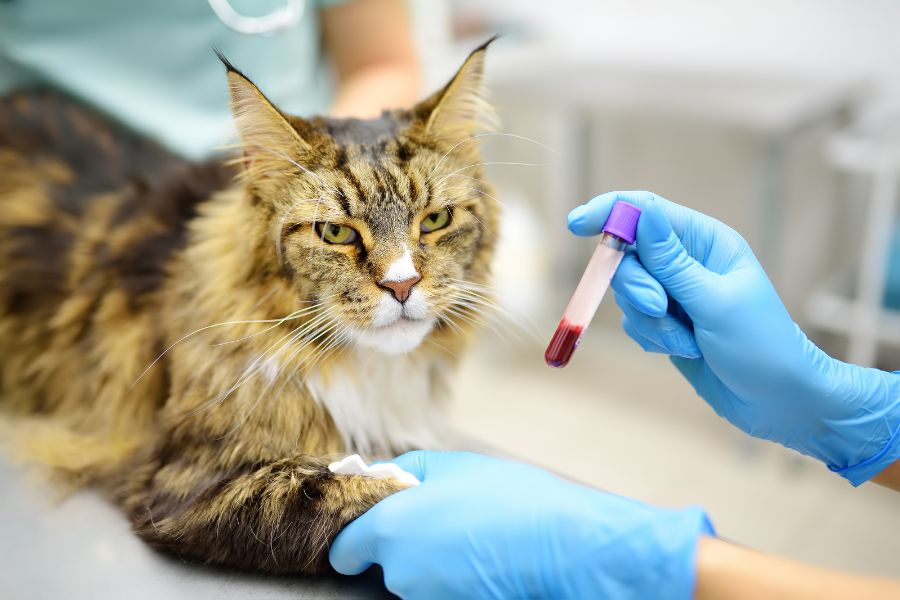
Your pet cannot tell you when something feels wrong. That is one of the hardest parts of being a pet owner. One day, your dog seems a little tired. Your cat skips a meal. You wonder if it is nothing, or if something serious is happening beneath the surface. Pet blood test results give us answers when symptoms alone cannot. For pet owners in Burr Ridge and the surrounding communities, fast and accurate diagnostics can make a real difference in your pet’s care. This article explains what in-house blood tests measure, what the results mean, and why early testing matters more than most pet owners realize.
What Are In-House Blood Tests for Pets?
In-house blood testing means your pet’s blood sample is analyzed at the veterinary clinic, not sent to an outside laboratory. Results are typically ready within 30 to 60 minutes. That speed allows your veterinarian to make informed decisions during the same visit.
Most in-house blood panels include two core components. The first is a complete blood count, often called a CBC. The second is a blood chemistry panel, sometimes called a metabolic panel. Together, these two tests give your vet a detailed picture of your pet’s internal health.
In-house veterinary diagnostics have improved significantly over the past decade. Modern analyzers used in clinics today are highly accurate and can detect subtle changes that would not be visible during a routine physical exam. For pets who are showing any symptoms or for those due for an annual wellness check, these panels are one of the most valuable tools we have.
What Does a Complete Blood Count Measure?
A complete blood count looks at the cells circulating in your pet’s bloodstream. This includes red blood cells, white blood cells, and platelets. Each of these tells a different story about your pet’s health.
Red blood cell levels show whether your pet is anemic, meaning their body is not carrying enough oxygen. Low red blood cell counts can signal internal bleeding, nutritional deficiencies, or bone marrow problems. High counts can indicate dehydration.
White blood cell counts reveal how your pet’s immune system is functioning. Elevated white blood cells often point to infection, inflammation, or, in some cases, certain types of cancer. Low white blood cell counts can mean the immune system is suppressed. Platelets are the cells that help blood clot properly. Abnormal platelet counts can explain unexplained bruising or bleeding.
In our experience, pet owners are often surprised by how much information a single blood draw can provide. One of the most common questions we get from pet owners is whether a blood test is really necessary if their pet seems fine. The answer is yes, because many serious conditions show no outward symptoms in their early stages.
What Does a Blood Chemistry Panel Reveal?
The blood chemistry panel measures organ function and metabolic health. This is where we assess the kidneys, liver, pancreas, and blood sugar levels. Dog blood work explained in plain terms: these numbers tell us how well your pet’s organs are doing their jobs.
Key values include BUN and creatinine, which reflect kidney function. Elevated levels can indicate early kidney disease, one of the most common conditions we see in older dogs and cats. ALT and ALP are liver enzymes. When these are elevated, it can suggest liver stress, inflammation, or disease.
Blood glucose levels help us screen for diabetes. In cats, especially, diabetes is more common than many owners expect, and early detection makes management much more successful. Protein levels, electrolytes, and cholesterol are also measured, each providing clues about your pet’s nutritional status and overall organ health.
Pet owners often tell us they feel relieved once they see the numbers, even when something needs to be addressed. Having clear data removes the guesswork and gives everyone a starting point for a real plan.
Why Early Detection Changes Everything
Early pet disease detection is one of the most powerful outcomes of routine blood testing. Many diseases, including kidney disease, liver conditions, and diabetes, begin causing internal damage long before your pet shows obvious symptoms. By the time a pet is visibly sick, the disease may already be advanced.
The American Veterinary Medical Association (AVMA) recommends regular wellness exams and diagnostic testing for pets of all ages, with increased frequency for senior animals. Research consistently shows that pets diagnosed in early disease stages respond better to treatment and have longer, healthier lives.
A cat blood panel test, for example, can detect early kidney disease when values first begin to shift. At that stage, dietary changes and supportive care can slow the progression significantly. Waiting until the cat stops eating or loses significant weight means the window for effective management has narrowed considerably.
In Illinois, we see pets in all life stages come through our doors. In our experience, the pets who do best over time are the ones whose owners prioritize annual or biannual blood work, even when everything appears normal.
How Often Should Your Pet Have Blood Work Done?
The right frequency depends on your pet’s age, breed, and health history. As a general starting point, most veterinarians recommend the following approach.
- Puppies and kittens: baseline blood work before or during spay and neuter surgery to check for anesthetic risk.
- Adult pets ages 1 to 7: blood work every 1 to 2 years as part of a wellness visit.
- Senior pets ages 7 and older: blood work every 6 to 12 months, since age-related conditions can develop quickly.
- Pets on long-term medications: blood work every 6 months to monitor organ function and medication safety.
- Pets with known health conditions: blood work on a schedule determined by your veterinarian.
We frequently remind our clients that in-house veterinary diagnostics are not just for sick pets. They are a proactive tool for keeping healthy pets healthy. Catching a slight shift in kidney values before symptoms appear is far less stressful and far less costly than treating advanced kidney disease.
Conclusion
Your pet’s health is happening at a level you cannot always see. That is why in-house blood testing is one of the most important things you can do for them, at any age. Pet blood test results give your veterinarian the data they need to catch problems early, guide treatment, and give you real answers instead of guesswork. Whether your pet is young and healthy or showing subtle signs of change, a blood panel is one of the most proactive steps you can take. At Harvester Veterinary Hospital of Burr Ridge, our in-house lab means faster answers and better care for your dog or cat, without the wait. Book an appointment today.
Frequently Asked Questions
How long does it take to get in-house blood test results for my pet?
Ans: In-house blood panels are typically processed within 30 to 60 minutes. This means your veterinarian can review the results and discuss a care plan with you during the same appointment, without waiting days for an outside lab.
Does my pet need to fast before a blood test?
Ans: For the most accurate results, most veterinarians recommend fasting your pet for 8 to 12 hours before a blood chemistry panel, especially to get an accurate blood glucose reading. Your vet will give you specific instructions when you schedule the appointment.
At what age should I start blood testing my pet?
Ans: Blood work is recommended as early as the spay or neuter appointment to establish a baseline. For adult pets, annual or biannual testing is ideal. Senior pets benefit from testing every 6 to 12 months, as age-related conditions can develop quickly and without obvious symptoms.
Can blood tests detect cancer in pets?
Ans: Blood tests can reveal certain signs that may indicate cancer, such as abnormal white blood cell counts or elevated organ enzymes. However, blood work alone cannot diagnose most cancers. If blood results are concerning, your veterinarian may recommend additional diagnostics such as imaging or a biopsy.
What if my pet’s blood results come back abnormal?
Ans: Abnormal results do not always mean a serious diagnosis. Some values fluctuate due to stress, recent meals, or minor infections. Your veterinarian will interpret the results in context with your pet’s overall health, symptoms, and history, and will recommend any next steps clearly and without alarm.