
Your dog keeps squatting to urinate, but almost nothing comes out. Dog UTI symptoms are easy to miss, especially in the early stages when your pet seems otherwise fine. Many owners assume their dog just drank too much water or is having an off day. The reality is that a urinary tract infection can escalate quickly without proper treatment. It can move from the bladder to the kidneys and become a much more serious health issue. This guide will walk you through the most important warning signs, what causes them, and how a veterinarian diagnoses and treats this condition. If you recognize any of these signs in your dog, do not wait to see if they resolve on their own. Acting early makes a real difference in your pet’s comfort and recovery.
Understanding Urinary Tract Infections in Dogs
A urinary tract infection occurs when bacteria enter the urethra and multiply inside the urinary system. The bladder is the most commonly affected area, but infections can also involve the urethra or kidneys. Urinary infection in dogs is more common than many pet owners expect. Studies suggest it affects roughly 14% of dogs at some point in their lives.
Female dogs are more susceptible due to their shorter urethra, which gives bacteria easier access to the bladder. However, male dogs, older dogs, and dogs with underlying health conditions such as diabetes or Cushing’s disease are also at elevated risk. In our experience, many pet owners are surprised to learn their dog has a UTI because the signs can be subtle at first.
The bacteria most responsible for canine UTIs is Escherichia coli, though other organisms are also involved. Without treatment, the infection will not clear on its own and can worsen over time.
Signs and Symptoms to Watch For
The most common dog UTI symptoms include frequent urination, straining, and changes in urine appearance. Catching these signs early gives your veterinarian the best window to treat the infection before it spreads.
Watch closely for these warning signs:
- Frequent trips outside with little output: Your dog squats repeatedly but produces only a small stream or a few drops. This is one of the most recognizable signs of a bladder infection.
- Straining or whimpering during urination: Dog painful urination signs often include visible discomfort, hunching, or crying during the act. This indicates significant irritation or inflammation in the urinary tract.
- Blood in the urine: Pink, red, or cloudy urine is a clear sign something is wrong. Blood in the urine is common with UTIs and should always prompt an immediate vet visit.
- Licking the genital area: Excessive licking is often an attempt to soothe discomfort caused by the infection.
- Accidents indoors: A dog that is normally house-trained may suddenly have accidents. This happens because the infection creates a sense of constant urgency.
- Strong or unusual urine odor: Infected urine often smells noticeably different, more pungent or foul than normal.
If you notice any of these signs, contact your veterinarian promptly. Do not wait several days hoping it improves on its own.
What Causes Dog Bladder Infections?
Dog bladder infection causes are often bacterial, but several factors can make a dog more vulnerable. Understanding the root cause helps your vet choose the right treatment and identify any underlying conditions that may need attention.
Common contributing factors include:
- Anatomy: Female dogs have a shorter urethra, making it easier for bacteria to travel to the bladder. Dogs with skin folds near the vulva or prepuce are also at higher risk.
- Age: Older dogs are more prone to infections because their immune systems are less robust. Senior dogs should have their urine checked regularly, even without obvious symptoms.
- Underlying health conditions: Diabetes, Cushing’s disease, and kidney disease can all impair the body’s ability to fight bacterial infections in the urinary tract. Pet owners often tell us they did not realize their dog’s recurring UTIs were connected to a separate health condition.
- Bladder stones: Stones can create physical irritation and trap bacteria against the bladder wall, making infections more frequent and harder to clear.
- Incomplete bladder emptying: Dogs that cannot fully empty their bladder, often due to structural issues or neurological problems, are more likely to develop infections.
In Burr Ridge and the surrounding area, we see dogs with recurrent UTIs fairly often when seasonal allergies lead to increased licking of the genital area, which can introduce bacteria. Identifying the underlying trigger is just as important as treating the immediate infection.
How Is a Dog UTI Diagnosed and Treated?
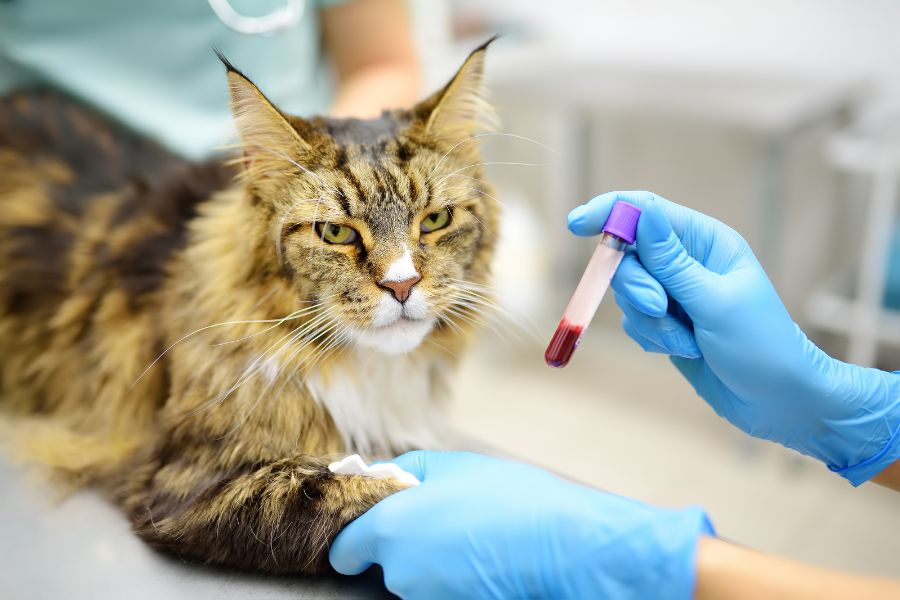
Diagnosing a UTI starts with a physical exam and a urinalysis. Your veterinarian will analyze a urine sample to look for bacteria, white blood cells, red blood cells, and crystals. A urine culture may also be ordered to identify the specific bacteria involved and determine which antibiotic will be most effective.
Here is what the typical veterinary diagnostic and treatment process looks like:
- Collect a urine sample: Your vet will use a sterile method called cystocentesis, a small needle into the bladder, or ask you to collect a midstream sample at home.
- Run a urinalysis: Results reveal the presence of infection markers and help rule out other causes of urinary symptoms.
- Order a urine culture if needed: This step identifies the exact bacteria and confirms the right antibiotic choice.
- Prescribe antibiotics: UTI treatment for dogs typically involves a course of antibiotics. It is essential to complete the full prescription even if your dog feels better quickly.
- Investigate underlying causes: If your dog has had multiple UTIs, your vet may recommend imaging, bloodwork, or further testing to check for bladder stones or systemic conditions.
Many dogs feel noticeably better within 48 hours of starting treatment. In our experience, the dogs that recover most smoothly are those whose owners caught the infection early and completed the full antibiotic course without stopping early.
Prevention and Home Care Tips
Preventing UTIs is not always possible, but several practical habits can lower your dog’s risk significantly.
- Encourage regular water intake: Fresh, clean water throughout the day helps flush bacteria from the urinary tract before infections take hold. Consider a pet water fountain if your dog is reluctant to drink.
- Give frequent bathroom breaks: Dogs that hold their urine for long periods have a higher risk of bacterial buildup. Aim for at least three to four outdoor breaks per day.
- Keep the genital area clean: For dogs prone to skin folds or matting near the urinary opening, routine cleaning reduces bacterial entry. Your vet can demonstrate the best technique.
- Monitor for early signs: Check your dog’s urine color and habits regularly. Catching subtle changes early is the most effective prevention tool available to pet owners.
- Schedule routine wellness exams: Annual or biannual checkups allow your vet to catch infections, crystals, or early kidney changes before symptoms become serious.
One of the most common misconceptions we hear is that UTIs only matter if a dog is in obvious pain. In reality, some dogs develop chronic low-grade infections with few visible symptoms. By the time pain is obvious, the infection may have progressed significantly. If you are concerned about your dog’s urinary health, the vet team at Harvester Veterinary Hospital of Burr Ridge is here to help with thorough diagnostics and personalized care.
Conclusion
Urinary tract infections in dogs are painful, preventable, and very treatable when caught early. Knowing the dog UTI symptoms to look for, such as straining, accidents indoors, bloody urine, and frequent squatting, puts you in a much better position to protect your pet. Acting quickly means less discomfort for your dog and a shorter recovery. Regular wellness visits and healthy daily habits go a long way in keeping your dog’s urinary system functioning well. If something seems off, trust your instincts. Book an appointment today with Harvester Veterinary Hospital of Burr Ridge and let our team provide the care your dog deserves. Book an appointment today.
Frequently Asked Questions
Q: What are the first signs of a UTI in dogs?
Ans: The earliest signs include frequent urination with little output, straining during urination, and licking the genital area. Some dogs also develop a strong-smelling urine or begin having accidents indoors.
Q: Can a dog’s UTI go away on its own?
Ans: No. Urinary tract infections in dogs require antibiotic treatment prescribed by a veterinarian. Waiting for the infection to resolve on its own can allow it to spread to the kidneys and become a much more serious condition.
Q: How is a UTI diagnosed in dogs?
Ans: A veterinarian will perform a urinalysis on a collected urine sample to look for bacteria, blood, and other infection markers. A urine culture may also be ordered to identify the specific bacteria and the most effective antibiotic.
Q: Why does my female dog keep getting UTIs?
Ans: Female dogs are more prone to UTIs because their shorter urethra allows bacteria to enter the bladder more easily. Recurring infections may also signal an underlying condition, such as bladder stones, diabetes, or hormonal changes, that your vet should evaluate.
Q: How long does UTI treatment for dogs take?
Ans: Most dogs show improvement within 48 hours of starting antibiotics, but a full course of treatment typically lasts 7 to 14 days. Always complete the full prescription even if your dog appears to feel better, as stopping early can lead to a return of infection.