


A dog who suddenly can’t stop drinking water or seems exhausted after a short walk can send any pet owner into a spiral of worry. Diabetes in dogs is more common than most people realize, and catching it early makes a significant difference in how well a dog responds to treatment. Diabetes signs in dogs can be subtle at first, often looking like ordinary tiredness or a passing stomach issue. That’s why so many cases go unnoticed for weeks or even months. This article explains what canine diabetes actually is, which symptoms to watch for, why some dogs develop it, and how veterinarians diagnose and manage the condition. Whether your dog has already been diagnosed or you’re noticing something off, the information here will help you take the right steps.
Understanding Canine Diabetes
Diabetes mellitus in dogs occurs when the body can no longer properly regulate blood sugar. In most cases, the pancreas either stops producing enough insulin or the body’s cells stop responding to insulin the way they should.
Insulin is the hormone that moves glucose from the bloodstream into cells, where it’s used for energy. Without that process working correctly, glucose builds up in the blood while the body’s tissues are essentially starving.
This condition is more common than many dog owners expect. Estimates suggest that diabetes affects roughly 1 in 300 dogs, with middle-aged to older dogs carrying a higher risk. Unspayed female dogs and certain breeds, including Samoyeds, Miniature Schnauzers, and Poodles, are diagnosed more frequently than others.
Left untreated, dog blood sugar problems cause serious complications. These include cataracts, urinary tract infections, and a life-threatening condition called diabetic ketoacidosis. Early recognition is the most important factor in protecting a dog’s long-term health.
What Are the Early Signs of Diabetes in Dogs?
Early diabetes signs in dogs often appear gradually and can be easy to miss. The most recognizable warning signs include increased thirst, frequent urination, unexplained weight loss, and changes in energy or appetite.
If your dog is showing any of these signs, contact your veterinarian promptly:
- Drinking more water than usual: A dog consistently emptying the water bowl and asking for refills is one of the earliest red flags.
- Urinating more frequently: This includes accidents inside the house from a dog that was previously house-trained.
- Unexplained weight loss: Despite eating normally or even more than usual, the dog loses body condition because nutrients aren’t being absorbed properly.
- Increased appetite: The body is not getting energy from food efficiently, so hunger signals stay elevated.
- Lethargy or low energy: A dog that tires quickly or seems less interested in activity may be experiencing the effects of poor cellular energy use.
- Cloudy eyes: Cataracts can develop rapidly in diabetic dogs due to the accumulation of sugar in the lens.
Pet owners often tell us they assumed their dog was just getting older when they noticed the fatigue and weight changes. In our experience, those two signs together, especially alongside dog drinking too much water, are a strong reason to schedule a veterinary evaluation without delay.
Why Do Dogs Develop Diabetes?
Diabetes doesn’t have a single cause. Several factors contribute to a dog’s risk, and understanding them helps owners make sense of the diagnosis.
Genetics and breed: Some breeds carry a genetic predisposition. If a breed appears regularly on a veterinarian’s diabetes caseload, it’s worth discussing risk during routine wellness visits.
Age and sex: Most dogs are diagnosed between ages 7 and 10. Unspayed female dogs are at significantly higher risk, partly due to the hormonal changes that occur during diestrus, the phase following heat. Spaying eliminates that hormonal trigger.
Obesity: Excess body weight reduces insulin sensitivity. Dogs that are overweight have a higher chance of developing insulin resistance over time.
Other health conditions: Chronic pancreatitis, Cushing’s disease, and long-term steroid use can all interfere with insulin function and raise diabetes risk.
In Illinois, dogs that spend winter months with reduced activity and heavier feeding schedules can enter spring in worse metabolic shape than their owners realize. A shift toward dog drinking too much water during a colder, lower-activity period is worth noting, not dismissing.
One of the most common misconceptions we hear from pet owners is that a dog eating well can’t possibly be diabetic. In reality, increased appetite is one of the clearest early signs of the condition, not a sign of good health.
How Veterinarians Diagnose and Treat Canine Diabetes
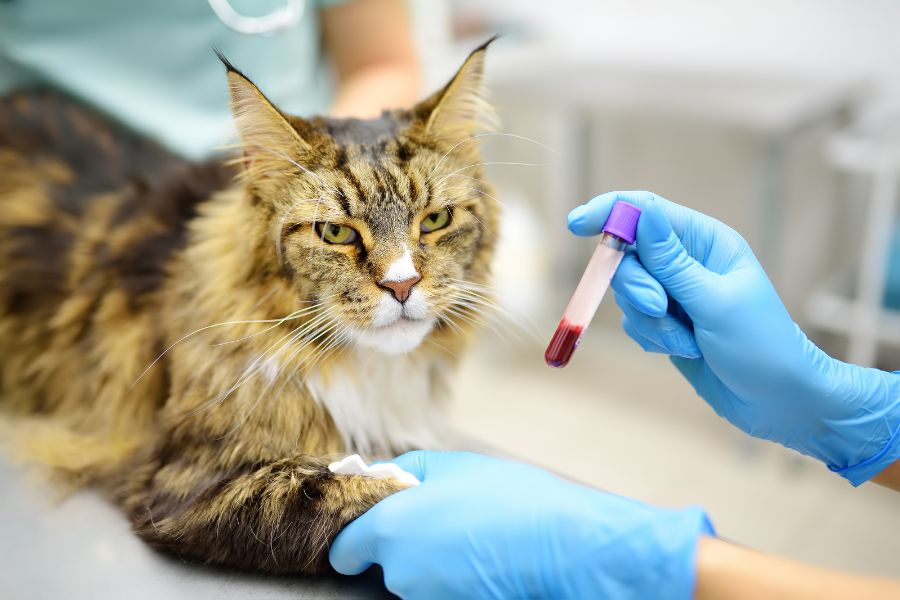
Diagnosing diabetes involves confirming consistently elevated blood glucose levels. A single high reading isn’t enough, because stress alone can cause temporary spikes. Your veterinarian will look at both blood and urine tests to establish a clear picture.
Proper diagnostic care for dog diabetes typically involves the following steps:
- Blood glucose panel: Measures the level of sugar in the bloodstream at the time of testing.
- Urinalysis: Checks for glucose and ketones in the urine, both indicators of uncontrolled diabetes.
- Fructosamine test: Measures average blood sugar over the past two to three weeks, giving a more complete picture than a single blood draw.
- Additional bloodwork: Rules out underlying conditions such as pancreatitis or Cushing’s disease that can complicate or mimic diabetes.
Treatment for most dogs involves daily insulin injections, which the owner administers at home. This can feel overwhelming at first, but most pet owners adapt quickly. Your veterinarian will establish the correct insulin type and dose based on your dog’s specific bloodwork, body weight, and health history.
Diet plays a major role in management. High-fiber, consistent-calorie meals fed on a fixed schedule help stabilize blood sugar between insulin doses. Regular glucose monitoring and follow-up appointments are part of long-term care.
Many dogs we see go on to live full, comfortable lives with diabetes when their owners commit to the management routine. Consistency matters more than perfection.
Managing Diabetic Dog Care at Home
Once a diagnosis is confirmed, day-to-day management becomes the focus. These diabetic dog care tips help owners maintain stable glucose levels and catch problems early.
- Stick to a feeding schedule: Feed the same amount at the same times each day. Irregular meals make blood sugar harder to control.
- Administer insulin as directed: Never skip a dose or adjust the amount without speaking with your veterinarian first.
- Watch for signs of low blood sugar: Weakness, trembling, disorientation, or seizures can indicate hypoglycemia. Keep a small amount of corn syrup on hand and know how to use it before you ever need it.
- Monitor water intake and urination daily: Changes in either can signal that the insulin dose needs adjustment.
- Schedule consistent recheck appointments: Blood glucose curves and fructosamine testing help your vet fine-tune the treatment plan over time.
The vet team at Harvester Veterinary Hospital of Burr Ridge works closely with owners to build a management plan that fits their dog’s needs and their daily routine. The goal is always a stable, comfortable dog with a great quality of life.
Canine diabetes is a serious diagnosis, but it’s very manageable with the right support and a consistent home routine. Recognizing diabetes signs in dogs early, understanding the causes, and following a veterinarian-guided treatment plan are the three pillars of successful management. Dogs with well-controlled diabetes can remain active, happy, and comfortable for years. If your dog is showing any of the symptoms described here, don’t wait to see if things improve on their own. The team at Harvester Veterinary Hospital of Burr Ridge is here to help with thorough evaluation, clear guidance, and compassionate care every step of the way. Book an appointment today.
Frequently Asked Questions
Q: What are the first signs of diabetes in dogs?
Ans: The most common early signs include increased thirst, frequent urination, unexplained weight loss despite a good appetite, and reduced energy. Some dogs also develop cloudy eyes due to rapid cataract formation.
Q: Can diabetes in dogs be cured?
Ans: In most dogs, diabetes is a lifelong condition that is managed rather than cured. However, some dogs with diabetes triggered by hormonal cycles may see improvement after being spayed. Your veterinarian can discuss what to expect based on your dog’s specific situation.
Q: How is diabetes in dogs diagnosed?
Ans: Veterinarians use blood glucose testing, urinalysis, and a fructosamine test to confirm diabetes. Additional bloodwork is often run to check for underlying conditions that may be contributing to the problem.
Q: What do diabetic dogs eat?
Ans: Most diabetic dogs do best on a consistent, high-fiber diet fed on a strict schedule. Your veterinarian will recommend a specific diet based on your dog’s weight, health history, and insulin regimen.
Q: How long can a dog live with diabetes?
Ans: With proper management, many dogs live for several years after a diabetes diagnosis. Consistent insulin administration, a stable diet, and regular veterinary monitoring are the most important factors in long-term outcomes.