
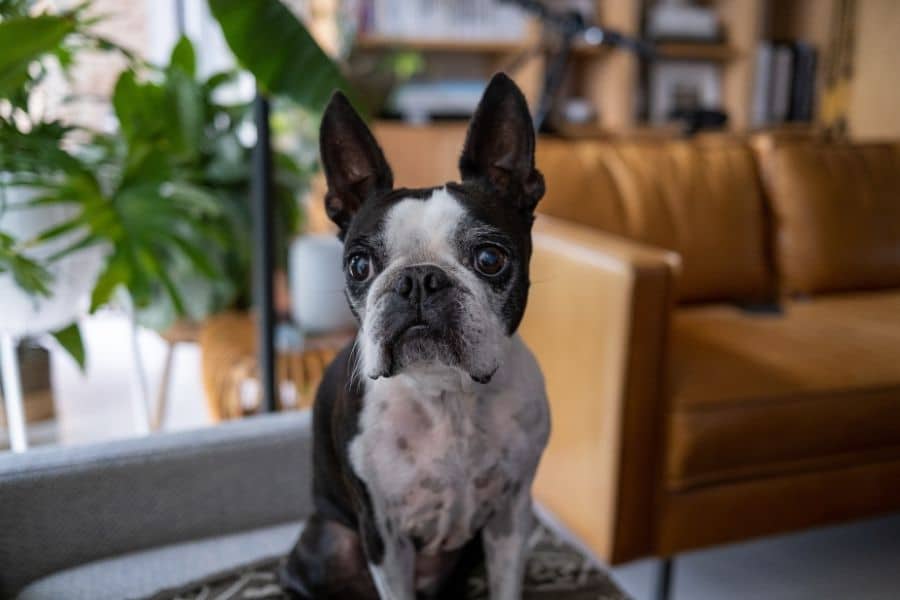
Bulldogs, pugs, French Bulldogs, Shih Tzus, and Boxers all share something beyond their devoted personalities and distinctive faces. They also share a set of breathing and eye challenges that owners can easily underestimate. Flat-faced dog breathing problems are not just a quirk of the breed. They are the result of anatomy that compresses airways and crowds facial structures in ways that create real, manageable health risks. Some snoring is normal for these breeds. But some are not. Knowing the difference could prevent your dog from reaching a point of genuine respiratory distress. This guide explains what is typical versus what requires prompt veterinary attention and how to respond when symptoms cross that line.
The Anatomy Behind the Snoring
Brachycephalic breeds get their name from the Greek words for short and head. Their compressed facial structure affects multiple systems simultaneously.
The most common anatomy-related issues include:
- Stenotic nares: Nostrils that are narrowed or pinched, restricting airflow with every breath.
- Elongated soft palate: Extra tissue at the back of the throat that partially blocks the airway.
- Hypoplastic trachea: A windpipe that is narrower than normal for the dog’s size.
- Everted laryngeal saccules: Small pouches inside the larynx that can get pulled into the airway under sustained breathing difficulty.
Collectively, these features are called Brachycephalic Obstructive Airway Syndrome, or BOAS. Studies suggest that more than half of brachycephalic dogs show measurable airway compromise when examined carefully, even without obvious symptoms. Flat-faced dog breathing problems are common precisely because the anatomy is common.
Signs That Go Beyond Normal Breed Quirks
Snoring during sleep is typical for most flat-faced breeds. These signs are not:
- Breathing with an open mouth at rest: Healthy dogs breathe through their nose at rest. Open-mouth breathing when calm signals the airway is not meeting oxygen demand.
- Wheezing or high-pitched breathing sounds during normal activity: Noisy breathing on a short walk or after light play warrants evaluation.
- Blue, gray, or pale gums: This is a serious sign of oxygen deprivation and requires immediate veterinary care.
- Extended neck while breathing: A dog that cranes its neck upward to breathe is trying to open its airway. Do not wait on this.
- Excessive, unrelenting snorting: Different from normal snuffling. Sounds strained and continuous.
- Collapse after minor exertion: A dog that lies down and cannot catch its breath after a brief walk needs same-day care.
In our experience, many brachycephalic dog owners have normalized symptoms that have quietly worsened over months. What owners describe as their dog being a “heavy breather” is sometimes significant airway compromise that has built up gradually.
What Watery Eyes Actually Signal in Flat-Faced Breeds
Eye issues are as common as breathing issues in brachycephalic dogs, and the two are often managed together.
The shallow eye sockets and reduced facial structure of these breeds leave the eyes more exposed and less protected than in other dogs. This creates specific vulnerabilities:
- Corneal ulcers: Scratches on the eye surface from debris or from eyelids that do not close completely during sleep.
- Entropion: Eyelids that roll inward, causing lashes to rub the cornea constantly.
- Exposure keratitis: Chronic dryness and irritation from inadequate blinking or incomplete eyelid closure.
- Nasal fold pyoderma: Skin folds between the nose and eyes trap moisture and create infected pockets that cause tear-stained fur, redness, and odor.
Watery eyes in a flat-faced dog are rarely allergies. They are almost always structural. An eye that appears swollen, cloudy, or is held partially shut should be evaluated the same day. Corneal ulcers can deteriorate rapidly.
How Illinois Seasons Affect Brachycephalic Dogs
Flat-faced dogs struggle with temperature extremes more than other breeds because they cannot regulate body heat through panting as efficiently. In Burr Ridge and across the Chicago suburbs, this creates a year-round concern.
Summer heat and humidity are the most dangerous season for brachycephalic breeds. Dogs with compromised airways cannot pant effectively, which is the primary cooling mechanism for dogs. Heat stress escalates quickly in these breeds, even during short outdoor exposure on warm days.
Winter brings a different set of risks. Cold, dry air can increase airway inflammation, and brachycephalic dogs that already struggle to move air efficiently find cold air harder to breathe. Limit outdoor time in extreme temperatures for these breeds regardless of season.
One of the most common misconceptions we encounter is that brachycephalic dogs simply have to live with their breathing issues. This is not accurate. Surgical correction of stenotic nares and elongated soft palate is safe, effective, and dramatically improves quality of life for dogs with significant airway compromise. Many owners are surprised to discover that their dog can breathe comfortably with appropriate treatment.
Trusted Care for Brachycephalic Dogs in Your Area
Brachycephalic breeds need veterinarians who understand the nuances of their anatomy. General symptom checklists do not capture the full picture for these dogs.
Harvester Veterinary Hospital of Burr Ridge has experience working with flat-faced breeds and the respiratory and eye conditions that come with their unique structure. The clinic provides same-day appointments for brachycephalic dogs showing worsening symptoms, including difficulty breathing, eye injuries, and signs of heat stress. When your dog’s snoring turns to wheezing, or those watery eyes start looking cloudy, the team at Harvester Veterinary Hospital of Burr Ridge is ready to help. The clinic serves pet owners throughout Burr Ridge, IL and the surrounding area.
This is where access to pet urgent care matters most. Brachycephalic emergencies can escalate faster than in other breeds because their baseline airway reserve is already limited. Call 630-819-5831 to speak with the team or schedule a same-day visit.
Choosing a Vet Who Understands Your Breed
Not all practices have the same depth of experience with brachycephalic conditions. Here is what to look for:
- Familiarity with BOAS: Ask directly whether the practice sees brachycephalic breeds regularly and whether surgical correction of airway issues is offered or referred.
- On-site oxygen support: Clinics equipped to provide oxygen supplementation can stabilize a dog in respiratory distress while a treatment plan is developed.
- Eye exam capability: A slit lamp or fluorescein staining for corneal ulcer diagnosis should be available in-house.
- Clear communication about breed risks: A knowledgeable vet will proactively discuss flat-faced dog breathing problems at wellness visits, not only when a crisis arises.
Harvester Veterinary Hospital of Burr Ridge meets these expectations and takes a proactive approach to brachycephalic health at every stage.
Conclusion
Owning a flat-faced dog comes with a specific responsibility to monitor breathing, eye condition, and heat tolerance more closely than other dog owners need to. Flat-faced dog breathing problems exist on a spectrum, from manageable daily quirks to acute situations requiring same-day care. Knowing where your dog falls on that spectrum, and recognizing when symptoms shift, makes you a more effective advocate for your pet’s health. When symptoms change, trust what you observe. Getting your dog evaluated promptly protects them from unnecessary discomfort and prevents manageable conditions from becoming serious ones. Book an appointment today.
Frequently Asked Questions
Q: Is snoring in flat-faced dogs normal or a health concern?
Ans: Some snoring is typical for brachycephalic breeds due to their compressed airway anatomy. However, snoring that is accompanied by open-mouth breathing, wheezing during rest, or blue gums is not normal and warrants same-day veterinary evaluation.
Q: Can a flat-faced dog’s breathing problems be fixed?
Ans: Yes. Surgical procedures to widen narrowed nostrils and shorten an elongated soft palate are effective and commonly performed. Many dogs experience significant improvement in breathing comfort after these procedures.
Q: Why do flat-faced dogs have watery eyes?
Ans: The shallow eye sockets of brachycephalic breeds leave eyes more exposed to irritation, debris, and incomplete lid closure. Most watery eye cases in these breeds are structural rather than allergy-related and should be examined by a vet.
Q: How hot is too hot for a brachycephalic dog?
Ans: Any temperature above 75 degrees Fahrenheit carries increased risk for flat-faced breeds during outdoor activity. Limit exertion, provide water, and keep outdoor time short during warm and humid conditions.
Q: When should I take my brachycephalic dog to the vet for breathing?
Ans: Seek same-day veterinary care if your dog is breathing through its mouth while at rest, making strained breathing sounds, extending its neck to breathe, or showing pale or bluish gums. These signs indicate the airway cannot meet the dog’s oxygen needs.