
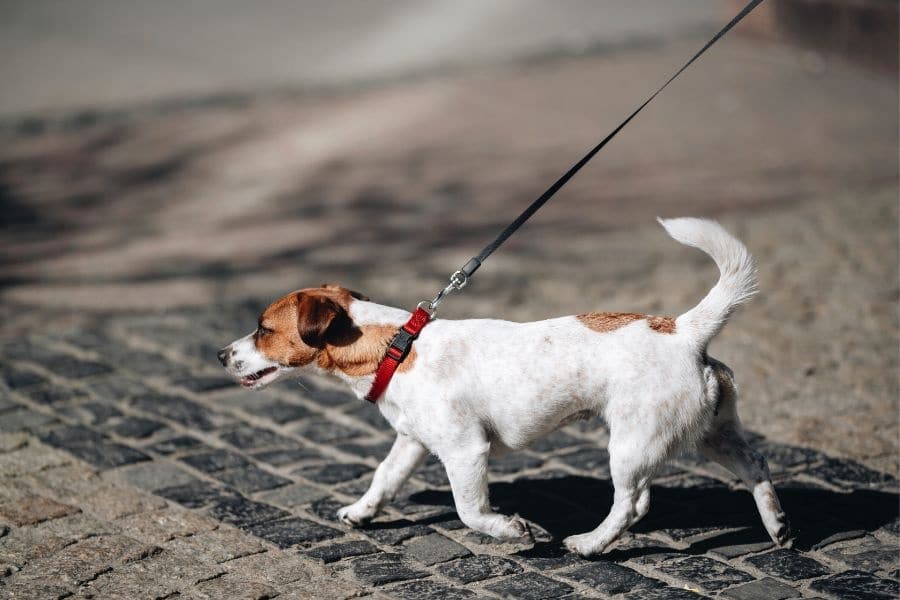
Hot pavement, sticky pollen, and grassy debris cling to your dog’s feet on every summer walk. A simple dog paw cleaning routine protects your pet from irritation, infection, and painful cracked pads. Most owners rinse their dog’s feet only when they look dirty, but summer walking conditions call for a more consistent habit. Paws pick up bacteria, chemicals from lawn treatments, and tiny debris that can wedge between the toes. Left unaddressed, these small irritants often turn into bigger problems within days. A short cleaning routine after each walk takes only a few minutes and can prevent weeks of discomfort for your dog.
What Is a Paw Wash Routine and Why It Matters
A paw wash routine is a quick cleaning step performed after outdoor walks to remove dirt, allergens, and surface bacteria from your dog’s feet. It involves rinsing or wiping each paw, checking between the toes, and drying thoroughly before your dog settles indoors.
Skin on the paw pads is thicker than in most areas of the body, but it is still vulnerable to friction, heat, and chemical exposure. An estimated 1 in 5 dogs develops some form of paw irritation each summer, often tied to hot surfaces or allergen buildup. A consistent wash routine reduces that risk significantly.
Paw care after walks also gives you a chance to spot problems early, before they become painful. Checking paws daily is one of the simplest habits a dog owner can build.
Signs Your Dog Needs a Paw Cleaning Routine
Watch for these signals that your dog’s feet need more attention after outdoor time:
- Excessive licking or chewing at the paws
- Redness or swelling between the toes
- A noticeable odor coming from the feet
- Limping or favoring one paw during walks
- Visible debris, tar, or residue stuck to the pads
In our experience, dogs who lick their paws frequently after summer walks are usually reacting to trapped debris or mild surface irritation rather than a behavioral habit. If you notice any of these signs, a closer paw check and gentle cleaning session should follow right away. Ignoring early symptoms often allows minor irritation to progress into something more serious.
What to Expect at Harvester Veterinary Hospital of Burr Ridge
If home care is not resolving the irritation, a veterinary visit helps identify the root cause. Here is what a typical paw evaluation looks like:
- The veterinary team examines each paw pad and the skin between the toes
- Any debris, foreign objects, or matted fur is carefully removed
- The paw is checked for cuts, cracks, or signs of dog paw infection
- A treatment plan is created based on the findings
- Owners receive guidance on maintaining paw health at home
Pet owners in Burr Ridge often bring dogs in after noticing limping or persistent licking that does not improve with basic cleaning. A prompt evaluation helps prevent the irritation from spreading or becoming infected.
Clean Dog Paws Safely Without Overdoing It
Many pet owners assume that washing a dog’s paws with strong soap every day is the safest approach. In reality, harsh cleansers can strip natural oils from the pads and leave the skin more vulnerable to cracking. Plain water or a vet-approved paw wipe is usually gentle enough for daily use.
Summer paw pad care should focus on removing irritants without disrupting the skin’s natural barrier. A soft cloth, lukewarm water, and thorough drying afterward are typically all that is needed.
In warmer regions of Illinois, we see paw irritation increase noticeably once pavement temperatures climb through July and August. Walking earlier in the morning or later in the evening helps limit heat exposure on sensitive pads.
How Often Should You Wash Your Dog’s Paws in Summer?
Most dogs benefit from a quick paw rinse after every walk during summer months, especially when walking on pavement, treated lawns, or trails. This simple habit removes bacteria and allergens before your dog has a chance to lick them off or track them indoors.
How to Choose the Right Vet for Ongoing Paw Care
Look for a veterinary team that takes time to explain findings clearly and offers practical at-home guidance, not just a quick treatment. Ask whether the clinic tracks recurring paw issues across visits, since patterns often reveal an underlying allergy or environmental trigger.
A hospital that welcomes questions about daily care routines, not only emergencies, tends to support better long-term outcomes. Harvester Veterinary Hospital of Burr Ridge encourages owners to bring up paw concerns during any regular wellness visit.
Building a simple dog paw cleaning routine into your daily walk schedule protects your dog from many common summer irritations. Rinsing paws, checking between the toes, and drying thoroughly only takes a few minutes but prevents cracked pads, infections, and discomfort. Watch for limping, licking, or redness, and address changes early rather than waiting for symptoms to worsen. Harvester Veterinary Hospital of Burr Ridge is here to help with any paw health concerns that come up during the summer season. Book an appointment today.
Frequently Asked Questions
Q: How do I clean my dog’s paws after a walk?
Ans: Rinse each paw with lukewarm water or wipe with a vet-approved pet wipe, then dry thoroughly with a clean towel, paying close attention to the space between the toes.
Q: Why does my dog lick its paws so much in summer?
Ans: Frequent licking often signals trapped debris, mild irritation from hot pavement, or allergen exposure picked up during outdoor walks.
Q: What are the signs of a dog paw infection?
Ans: Redness, swelling, unusual odor, limping, and constant licking or chewing at one paw are common signs that warrant a veterinary check.
Q: Can hot pavement burn a dog’s paws?
Ans: Yes, hot pavement can cause burns or blistering on paw pads, so walking during cooler parts of the day is safer in summer.
Q: Is it safe to use baby wipes on a dog’s paws?
Ans: Baby wipes are not recommended since they often contain ingredients that can irritate a dog’s skin, so a vet-approved pet wipe or plain water is a safer choice.