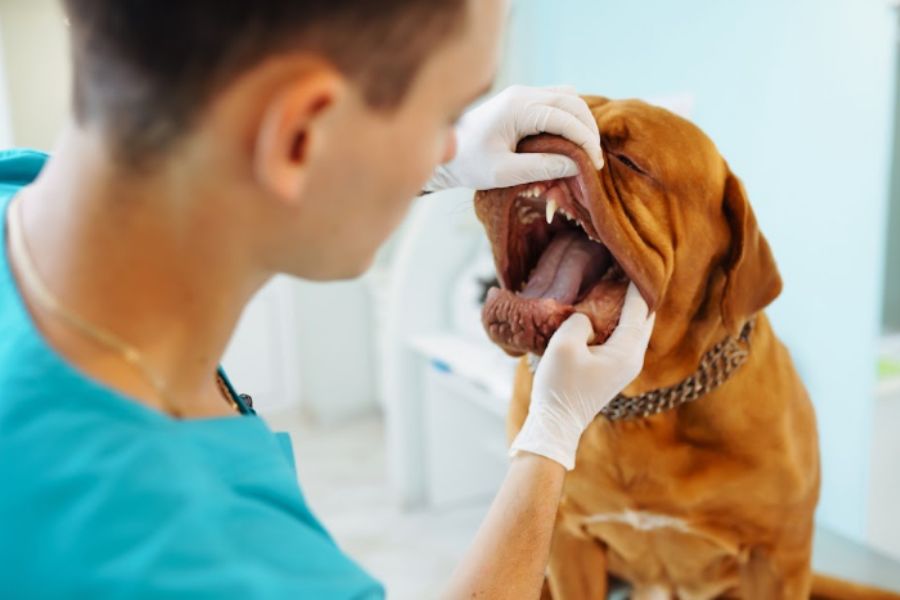



Many pets continue eating and playing even while dealing with painful dental issues. Bad breath, chewing changes, or swollen gums may seem minor at first, yet dental disease can quietly affect your pet’s comfort, appetite, and overall health. Dogs and cats naturally hide pain well, making early warning signs easy to miss during daily routines.
Healthy teeth and gums support more than fresh breath. Dental care plays an important role in digestion, nutrition, and long-term wellness. If you’re a pet owner in Burr Ridge, IL, this blog is especially for you. Learning to recognize dental problems early can help protect your pet from discomfort and future complications.
Schedule a visit with Harvester Veterinary Hospital of Burr Ridge for guidance tailored to your pet’s dental care needs.
Persistent Bad Breath Often Signals Hidden Disease
Occasional odor after meals is common, yet persistent foul breath usually points toward bacterial buildup or dental disease. Strong odor frequently develops when plaque and tartar collect below the gumline.
Bad breath may indicate:
- Gum inflammation: Bacteria irritate the soft tissue around teeth.
- Tooth decay: Infections can develop beneath damaged teeth.
- Advanced plaque buildup: Hardened tartar traps bacteria easily.
- Oral infections: Untreated disease may spread deeper into the tissue.
Ignoring chronic bad breath allows dental disease to progress quietly over time.
Plaque Buildup Can Harden Into Tartar
Plaque forms naturally after eating. Without routine cleaning, plaque hardens into tartar that sticks firmly to teeth.
Signs of tartar accumulation include:
- Yellow discoloration: Teeth appear stained near the gums.
- Rough tooth surfaces: Hardened deposits become visible.
- Inflamed gums: Redness develops around affected teeth.
Routine dental evaluations help identify buildup before it damages surrounding tissue.
Changes During Eating Often Reveal Mouth Pain
Chewing discomfort commonly changes how pets eat. Many owners notice subtle feeding changes before visible dental problems appear.
Watch for behaviors such as:
- Dropping food: Pain may interrupt chewing.
- Eating slowly: Sensitive teeth make chewing uncomfortable.
- Favoring one side: Pets avoid painful areas.
- Avoiding dry food: Crunchy textures become difficult to tolerate.
- Reduced appetite: Oral pain discourages eating.
Sudden changes in feeding behavior warrant veterinary attention, especially when accompanied by weight loss.
Dental Pain Can Affect Daily Energy Levels
Oral discomfort may reduce activity and playfulness. Pets dealing with chronic dental pain often become quieter or less interactive.
Behavior changes may include:
- Sleeping more frequently: Pain lowers activity tolerance.
- Irritability: Sensitive mouths increase discomfort during interaction.
- Reduced interest in toys: Chewing becomes unpleasant.
Subtle personality changes sometimes reflect ongoing oral discomfort rather than aging alone.
Red Swollen Gums Need Prompt Attention
Healthy gums should appear light pink and firm. Swelling, redness, or bleeding often signal gum disease developing below the surface.
Common gum disease symptoms include:
- Bleeding while chewing: Inflamed tissue becomes fragile.
- Visible redness: Irritation develops around teeth.
- Receding gums: Tooth roots may become exposed.
- Sensitivity around the mouth: Pets avoid facial contact.
Gingivitis can often improve with earlier treatment before deeper periodontal disease develops.
Untreated Gum Disease Can Affect Internal Health
Bacteria from advanced dental infections may enter the bloodstream and affect other organs over time.
Long-term concerns may involve:
- Heart strain: Bacteria can impact cardiovascular health.
- Kidney stress: Chronic inflammation affects organ function.
- Liver complications: Infection may spread beyond the mouth.
Routine veterinary dental care supports both oral and overall wellness.
Excessive Drooling Sometimes Indicates Oral Irritation
Increased drooling may occur when pets experience pain, inflammation, or mouth injuries. Saliva production often rises when chewing becomes uncomfortable.
Possible causes include:
- Broken teeth: Exposed nerves create pain.
- Mouth ulcers: Inflamed tissue increases salivation.
- Foreign objects: Sticks, bones, or debris become trapped.
- Tooth abscesses: Infections irritate the surrounding tissue.
Drooling, bad breath, or facial swelling require prompt evaluation.
Pawing at The Mouth Suggests Discomfort
Pets often try to relieve oral irritation by rubbing their faces or pawing at their mouths. Behavioral signs like these can indicate hidden dental pain.
Watch for:
- Face rubbing on furniture: Attempting to reduce irritation.
- Frequent pawing: Persistent mouth discomfort.
- Jaw sensitivity: Resistance to touching the face.
- Whining during chewing: Sharp pain while eating.
Consistent mouth-focused behaviors rarely resolve without addressing the underlying issue.
Loose Or Broken Teeth Require Veterinary Evaluation
Adult pets should not lose teeth naturally. Broken, cracked, or loose teeth expose sensitive tissue and increase the risk of infection.
Common causes include:
- Chewing Hard Objects: Bones, antlers, or hard toys may crack teeth.
- Advanced periodontal disease: Weakens tooth support structures.
- Trauma: Falls or accidents damage the mouth.
Signs of tooth injury may include:
- Visible fractures: Broken tooth edges appear uneven.
- Bleeding gums: Damage irritates the surrounding tissue.
- Difficulty chewing: Pain limits normal eating behavior.
Prompt care often prevents the infection from worsening and additional tooth damage.
Pet owners throughout Burr Ridge often appreciate the dental care support available through Harvester Veterinary Hospital of Burr Ridge. Our veterinary team focuses on identifying early warning signs of dental disease, monitoring gum health, and helping pets maintain healthier teeth through routine evaluations and preventive care. Regular attention to oral health can make a noticeable difference in comfort, eating habits, and overall wellness.
Facial Swelling May Signal Advanced Infection
Swelling around the jaw, cheeks, or eyes can indicate severe dental infection beneath the gums. Tooth root abscesses frequently create pressure and inflammation deep within facial tissue.
Possible warning signs include:
- Puffy facial areas: Inflammation develops around infected roots.
- Pain while eating: Pressure increases discomfort.
- Drainage near the mouth: Infection may rupture externally.
- Fever or lethargy: Severe infections affect overall health.
Advanced dental infections usually worsen without treatment.
Tooth Root Infections Can Stay Hidden Initially
Some infections develop below the gumline without obvious visible damage.
Early clues may include:
- Bad breath worsening suddenly: Infection progresses deeper.
- Avoiding chew toys: Pressure causes pain.
- Sensitivity when opening the mouth: Jaw discomfort increases.
Dental X-rays often help identify hidden root problems affecting pets.
Preventive Dental Care Supports Long-Term Wellness
Routine dental care helps reduce plaque buildup, protect gum health, and identify concerns before they become painful or expensive to treat.
Helpful preventive habits include:
- Daily brushing: Removes plaque before tartar develops.
- Dental chews: Support cleaner tooth surfaces.
- Routine exams: Detect hidden oral problems earlier.
- Safe chew toys: Reduce the risk of fractures from overly hard materials.
Consistent oral care routines often improve comfort and reduce future dental complications.
Early Dental Treatment Helps Protect Daily Comfort
Dental disease rarely improves without intervention. Minor plaque buildup can eventually lead to painful infections that affect eating, sleeping, and overall behavior. Paying attention to subtle warning signs helps owners respond before problems become more severe.
Healthy teeth support better nutrition, comfort, and quality of life for pets of every age. Both routine dental evaluations and home care habits play important roles in preventing painful oral diseases and supporting long-term oral health.
Supporting Better Oral Health Every Day
Dental care influences far more than your pet’s breath. Healthy gums and teeth help pets eat comfortably, stay active, and avoid painful infections that may affect other areas of the body. Watching for early warning signs allows problems to be addressed before they interfere with daily comfort and overall wellness.
If you’re in Burr Ridge and looking for pet dental care, book an appointment with Harvester Veterinary Hospital of Burr Ridge. Our team helps identify dental concerns early, evaluate oral health changes, and support healthier teeth and gums through routine veterinary dental care tailored to your pet’s needs.
FAQs
1. Why does my pet suddenly chew differently on one side?
Uneven chewing often suggests pain from a cracked tooth, gum inflammation, a mouth ulcer, or an infection affecting one side of the mouth during eating or chewing activities.
2. Can dental disease change my pet’s sleeping habits?
Chronic mouth pain may reduce activity and increase fatigue. Pets experiencing ongoing discomfort sometimes sleep more frequently or avoid normal daily interactions and play.
3. Why has my dog refused hard treats recently?
Hard textures may irritate sensitive teeth, inflamed gums, or hidden fractures. Sudden refusal of crunchy treats often points to developing oral discomfort that requires a dental evaluation.
4. Does tartar buildup always cause visible symptoms immediately?
Tartar often develops gradually beneath the gumline before noticeable symptoms appear. Dental disease may progress silently until bad breath, swelling, or changes in chewing become obvious later.
5. Can cats hide dental pain better than dogs?
Cats commonly mask discomfort through subtle behavioral changes such as eating more slowly, grooming less, hiding more often, or avoiding hard food despite significant underlying dental disease.