You see the ad, and it sounds appealing: dental cleaning for your dog or cat, no anesthesia required. No sedation risks. No recovery time. Just a quick, stress-free polish and your pet goes home the same hour. But is it actually safe? Veterinarians across the country are raising serious concerns about anesthesia-free dental cleaning, and what they have found may surprise you. This article explains exactly what this procedure involves, why it falls short of real dental care, and what pet owners should know before choosing it. If you care about your pet’s long-term oral health, the facts behind anesthesia-free dental cleaning are worth understanding fully.
What Anesthesia-Free Dental Cleaning Actually Does and Does Not Do
Anesthesia-free dental cleaning is a cosmetic procedure, not a medical one. A technician or groomer manually scrapes visible tartar from the outer surfaces of a pet’s teeth while the animal is awake and unrestrained. The result looks cleaner. But appearances can be deceiving.
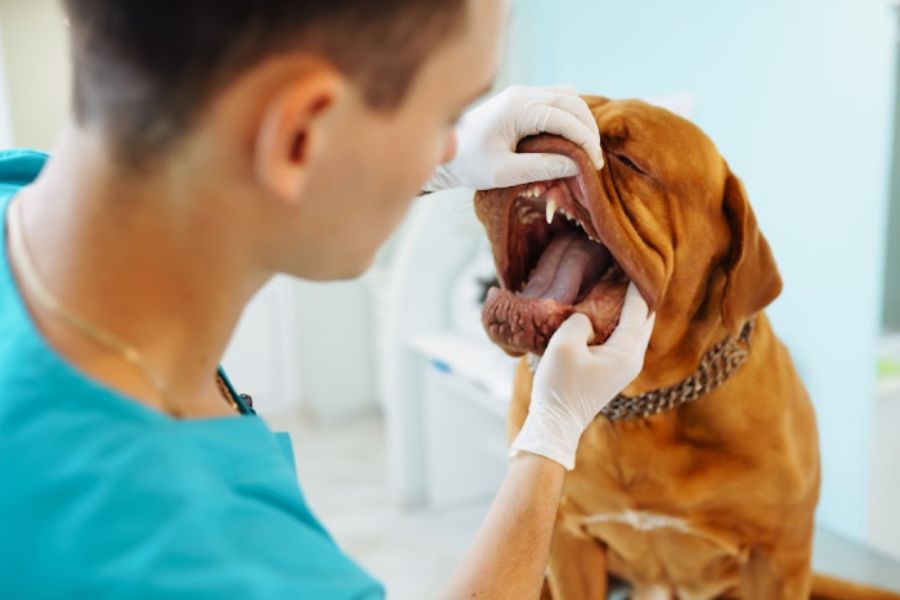
The most dangerous buildup in a pet’s mouth is not on the surface you can see. It forms beneath the gumline, inside the periodontal pockets where bacteria erode bone and root structure. No awake pet will hold still long enough for a practitioner to safely clean these areas. That means the most clinically significant portion of a dental cleaning is simply skipped.
Dental disease affects an estimated 80 percent of dogs and 70 percent of cats over age three. Most of that disease is happening below the gumline, invisibly. A surface scrape leaves it entirely untreated while creating the false impression that the mouth has been cared for. That delay can allow serious infections to progress undetected for months or years.
Warning Signs That Your Pet’s Mouth Needs Real Veterinary Attention
Pets rarely show obvious pain even when their mouths are in serious distress. Owners often miss the early signals entirely. Here are the signs that indicate your pet needs a thorough, professional dental evaluation:
- Persistent bad breath: Not a minor odor but a strong, consistent smell that does not go away. This is one of the earliest indicators of bacterial infection in the mouth.
- Yellow or brown buildup on teeth: Heavy tartar visible to the naked eye suggests the disease process has been progressing for some time.
- Red or swollen gums: Inflamed gum tissue along the tooth line signals active infection or early periodontal disease.
- Pawing at the mouth or face: Pets in oral discomfort will often rub or paw at their muzzle, especially after eating.
- Dropping food or chewing only on one side: This behavior often means a tooth is fractured, loose, or severely infected.
- Reluctance to eat hard food: A sudden preference for soft food in a pet that previously ate kibble without issue is worth investigating promptly.
We regularly see dogs at our clinic who have been receiving anesthesia-free cleanings for years. Their teeth look passable from the outside, but when we take full-mouth radiographs, we find significant bone loss, root resorption, and abscessed teeth that have been quietly worsening. The surface appearance gave their owners no reason to act sooner.
If you notice any of these signs, contact your veterinarian promptly.
Why Veterinary Dental Cleanings Require Anesthesia
Anesthesia in a pet dental procedure is not a risk to be avoided. It is a requirement for the procedure to work.
Here is what a proper veterinary dental cleaning involves, step by step:
- Pre-anesthetic bloodwork: Your veterinarian evaluates your pet’s organ function to confirm they are a safe anesthesia candidate before the procedure begins.
- Induction and monitoring: Your pet is placed under general anesthesia and monitored continuously by a trained technician throughout the procedure.
- Full-mouth dental radiographs: X-rays reveal what no visual exam can show: bone loss, root infections, resorptive lesions, and abnormal tooth structure beneath the gumline.
- Subgingival scaling: Instruments reach below the gumline to remove calculus from the surfaces that actually drive disease.
- Probing and charting: Every tooth is measured and documented. Pockets deeper than normal indicate bone loss and are treated or flagged for monitoring.
- Polishing: The enamel surface is polished to slow future tartar buildup.
- Extractions if needed: Teeth that are compromised, abscessed, or non-salvageable are removed cleanly and safely while the pet is still under anesthesia.
- Recovery and discharge: Your pet wakes in a supervised recovery area and is discharged when stable, typically the same day.
Pet owners in Burr Ridge, IL who have made the switch from cosmetic cleanings to full anesthesia-based procedures consistently report that they had no idea how much their pet’s oral condition had deteriorated. The complete picture only becomes visible through radiographs, and radiographs require a still, anesthetized patient.
The Hidden Risks of Skipping Anesthesia for Pet Dental Work
Anesthesia-free cleanings do not just fall short. They can cause direct harm.
Scraping calculus off the visible tooth surface without removing subgingival bacteria is misleading at best. It gives the tooth a visual improvement while leaving the infection intact below. Worse, the process of manual scraping on an awake, stressed animal creates micro-abrasions on the enamel. Without polishing, which cannot be safely performed on a fully awake pet, those abrasions accelerate future plaque accumulation.
There are also real physical risks. A pet that moves suddenly during instrument use near the gumline or throat can be injured. The procedure involves sharp tools inside a mouth that is not controlled. That creates risk for lacerations, trauma to soft tissue, and aspiration of debris.
Some pet owners assume anesthesia-free cleaning is a gentler option, especially for older pets. In reality, properly managed anesthesia in a monitored veterinary setting carries very low risk for most healthy adult animals. Your veterinarian will always review your pet’s individual health profile, including age and any underlying conditions, before recommending a procedure.
Pet dental care starts with a full oral exam, not a cosmetic surface treatment. Routine professional cleanings under anesthesia, combined with at-home brushing, are the only approach shown to actually slow periodontal disease progression in dogs and cats.
How to Choose a Veterinary Practice for Your Pet’s Dental Care
Not all dental cleanings are created equal, even within veterinary medicine. When evaluating a clinic, ask these questions:
- Do they take full-mouth radiographs as a standard part of every cleaning? If not, they are missing the majority of dental disease.
- Is a dedicated technician monitoring anesthesia throughout the procedure, separate from the person performing the dental work?
- Do they provide a written dental chart documenting every tooth?
- Can they perform extractions on-site if needed, or will your pet require a second procedure at another facility?
At Harvester Veterinary Hospital of Burr Ridge, dental cleanings include pre-anesthetic bloodwork, full-mouth digital radiographs, thorough subgingival scaling, and complete charting for every patient. Serving pets in Burr Ridge, IL and surrounding communities, the team prioritizes transparency so pet owners understand exactly what was found and what was done.
Safe pet teeth cleaning is not about convenience. It is about giving your veterinarian full access to your pet’s mouth so real disease can be found, treated, and documented.
Conclusion
Your pet cannot tell you their teeth hurt. That silence is not the same as wellness. A proper dental cleaning under anesthesia gives your veterinarian the access, the tools, and the time to evaluate every surface of every tooth, treat what needs treating, and send your pet home healthier than when they arrived. An anesthesia-free dental cleaning cannot offer any of that. If your pet is overdue for a professional oral exam, do not let the appeal of a quicker option delay care that genuinely matters. Reach out to a licensed veterinarian, discuss your pet’s full dental history, and make a decision based on what the science and your vet actually support. Book an appointment today.
Frequently Asked Questions
Q: Is anesthesia-free dental cleaning ever appropriate for pets?
Ans: Veterinary and dental organizations in the USA do not recognize anesthesia-free dental cleaning as a legitimate medical procedure for pets. It is considered cosmetic only. It cannot safely address subgingival disease, cannot include radiographs, and does not meet the standard of care for veterinary dentistry. Most veterinary professionals advise against it entirely.
Q: My pet is older. Is anesthesia safe for senior dogs and cats?
Ans: Age alone is not a contraindication for anesthesia. Most senior pets tolerate properly managed anesthesia very well, especially when pre-anesthetic bloodwork is performed first. Your veterinarian will evaluate your pet’s organ function, heart health, and overall status before recommending any procedure. In many cases, delaying a dental cleaning in a senior pet causes more harm than the anesthesia itself.
Q: How often should my dog or cat have a professional dental cleaning?
Ans: Most dogs and cats benefit from a professional veterinary cleaning once a year, though some pets with a history of rapid tartar buildup or existing periodontal disease may need more frequent care. Your veterinarian will recommend a schedule based on your pet’s breed, size, diet, and oral health history.
Q: Can I reduce tartar buildup at home between cleanings?
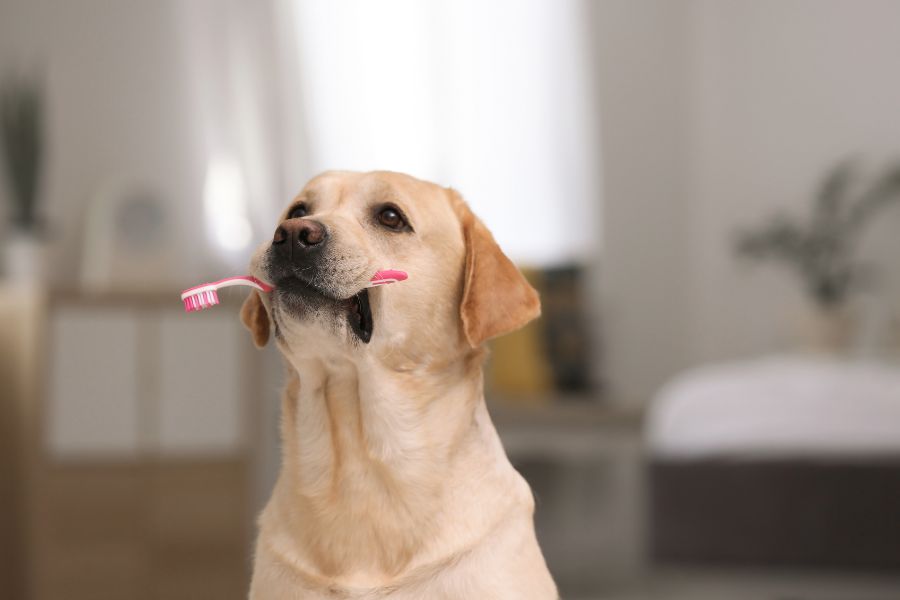
Ans: Yes. Daily brushing with a pet-safe toothbrush and toothpaste is the most effective at-home tool for slowing tartar. accumulation. Dental chews, water additives, and dental diets approved by the Veterinary Oral Health Council can also help. None of these replace professional cleanings, but they meaningfully extend the intervals between them.
Q: What does a veterinary dental cleaning actually cost?
Ans: Speak with your veterinarian for pricing information. The total will vary based on your pet’s size, the degree of tartar buildup, whether radiographs are included, and whether any extractions or additional treatments are needed. Many clinics offer a pre-procedure estimate after an exam so you know what to expect before committing to the cleaning.