

Finding the best toys for pets sounds simple. Walk into any store, pick something colorful, and hope your dog or cat loves it. But most pet owners have experienced the opposite: a toy that gets ignored completely, or worse, destroyed in minutes and swallowed. The truth is, a toy that’s perfect for one pet can be completely wrong for another. Your dog’s energy level, your cat’s hunting instincts, their age, and even their anxiety levels all shape what kind of play keeps them happy and safe. This guide breaks down exactly how to match a toy to your pet’s unique personality so playtime becomes something they genuinely look forward to every single day.
Why Play Matters More Than Most Pet Owners Realize
Play is not just entertainment. For dogs and cats, regular play supports physical health, mental sharpness, and emotional balance. Pets that do not get enough stimulation often develop destructive behaviors, excessive barking, or anxious habits.
Studies suggest that mental enrichment through play can reduce stress-related behaviors in pets by a significant margin. A bored dog will find its own entertainment, and that rarely ends well for your furniture.
In our experience, many behavioral issues that pet owners bring to the clinic are rooted in under-stimulation. The fix is often simpler than expected: the right kind of daily play.
Cats are especially misunderstood in this area. Many owners assume cats are low-maintenance and self-entertaining. In reality, indoor cats especially need structured play to stay mentally and physically healthy. Ignoring this can lead to weight gain, depression, and increased aggression.
Understanding Your Dog’s Play Style
Dogs are not a single type of player. Some dogs are chasers. Some are tuggers. Some want to carry something in their mouth all day. Understanding that difference is the first step to choosing well.
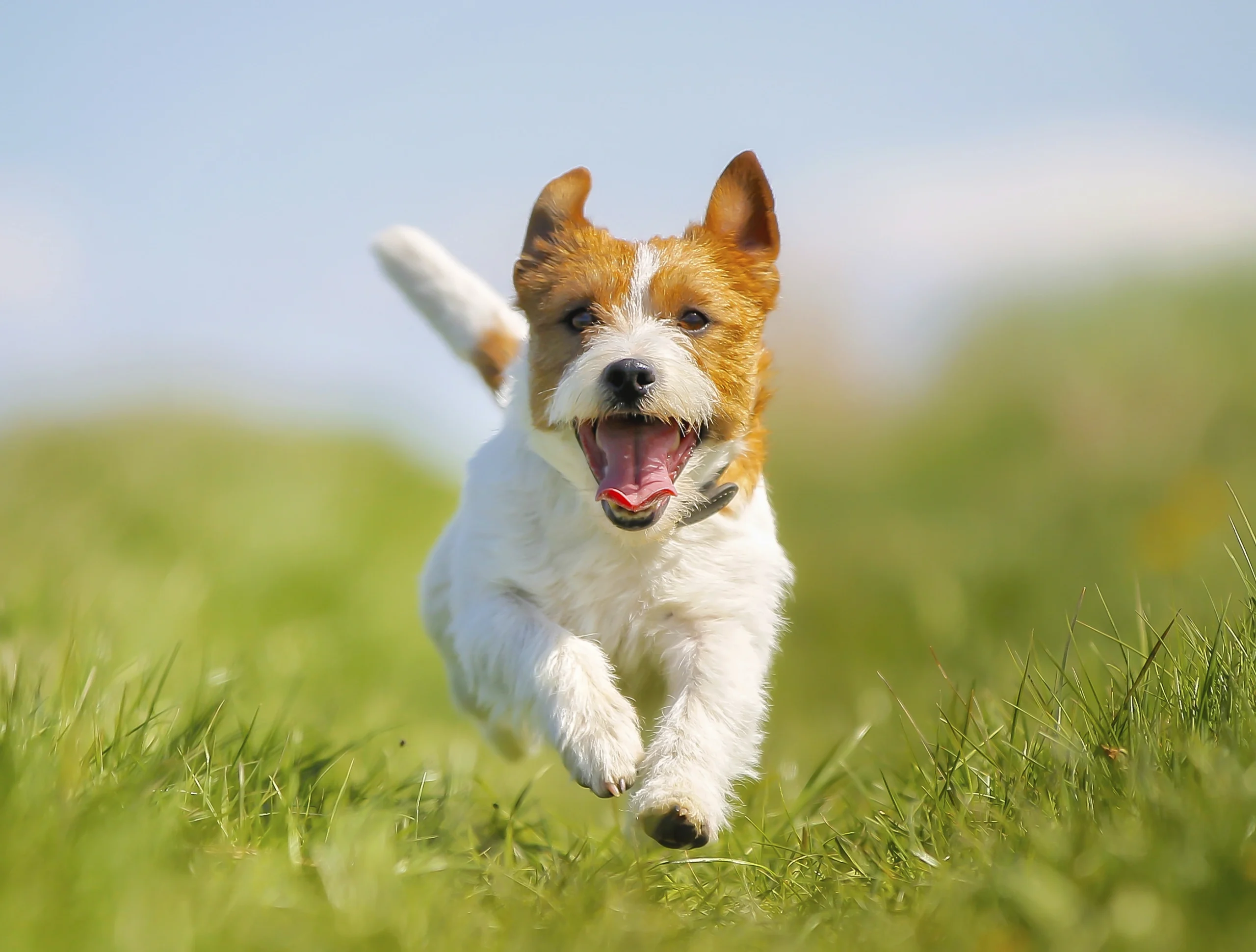
High-energy dogs, such as retrievers and herding breeds, thrive with interactive toys for dogs that require running, fetching, or problem-solving. Puzzle feeders and treat-dispensing toys work especially well for dogs that get overstimulated easily and need a focused outlet.
Low-energy or senior dogs often prefer comfort-based play. Softer toys that satisfy the urge to carry or mouth without demanding intense physical effort are a better fit for older joints and lower stamina.
Anxious dogs benefit from interactive toys for dogs that reward calm behavior. Slow-feeder puzzles, snuffle mats, and lick pads encourage focus and reduce stress hormones through repetitive, soothing engagement.
Pet owners often tell us they buy the most exciting toy they can find, only to watch their dog walk away. Matching the toy to your dog’s temperament, not your expectations, makes all the difference.
What Do Dog Chew Toys Actually Do for Your Pet?
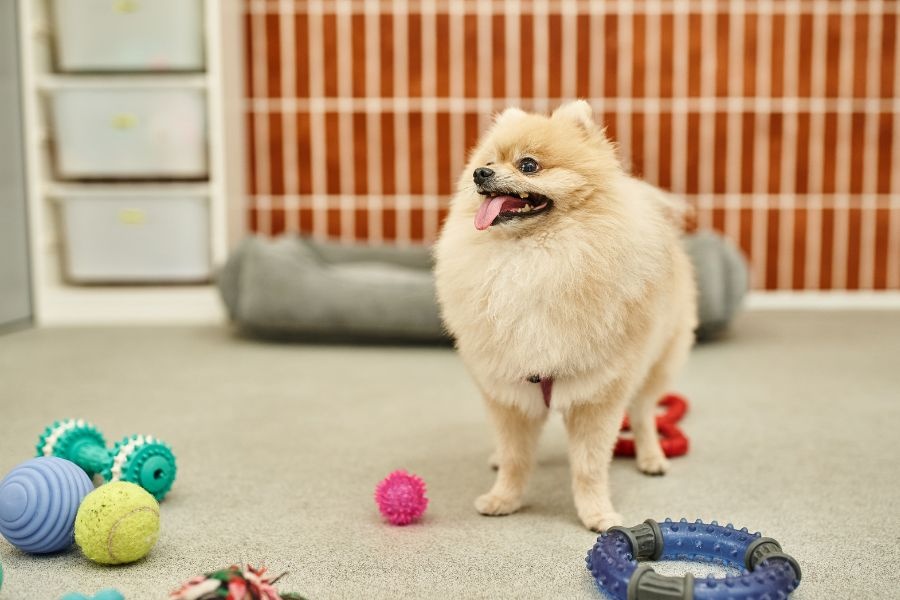
Dog chew toys serve a direct physical and behavioral function. They clean teeth by scraping away plaque, reducing jaw tension, and redirecting destructive chewing away from furniture and household items.
The right chew toy also satisfies a dog’s natural instinct to gnaw, which reduces anxiety in many breeds. For puppies going through teething, appropriate chewing options prevent pain-driven destruction and help adult teeth come in correctly.
The benefits of dog chew toys extend to dental health as well. Dental disease affects an estimated 80% of dogs over age three. Regular chewing on the right materials can slow tartar buildup between professional dental cleanings.
One mistake we see frequently: owners choosing chew toys that are too hard. Toys harder than your fingernail can crack molars, leading to painful fractures that require extraction. Choose materials that have some give when pressed.
How Cats Like to Play and Why It Varies So Much
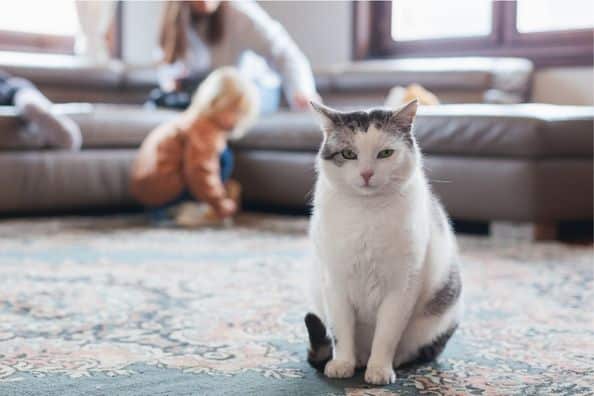
Understanding how cats like to play requires thinking like a predator. Cats are ambush hunters by nature. Their play instincts are driven by stalking, pouncing, batting, and catching. Toys that mimic prey movement will always outperform stationary ones.
Younger cats tend to be high-intensity players. They want fast movement, unpredictability, and the opportunity to “kill” their prey at the end of a session. Wand-style toys moved quickly across the floor or dangled erratically to trigger this prey response powerfully.
Older or more laid-back cats often prefer shorter sessions with slower movement. They still want to stalk and pounce, but they tire more quickly and can become frustrated by play that is too fast-paced.
Cat toys for indoor cats need to simulate the variety of prey that cats would encounter outdoors. Rotating toys regularly keeps novelty high. A toy that was ignored yesterday can become irresistible again after a week in the drawer.
We frequently remind our clients that a 10-minute structured play session twice a day does more for a cat’s wellbeing than leaving a pile of toys out that never move. Cats disengage from static toys quickly. Motion and interaction are what drive genuine engagement.
How to Match a Toy to Your Pet’s Personality Type
The right toy depends on four factors: energy level, age, anxiety, and instinct type. Here is a straightforward way to assess your pet and choose accordingly.
For dogs:
- Assess energy level. High-energy dogs need challenge and movement. Low-energy dogs need something satisfying but not exhausting.
- Consider age. Puppies need durable, teething-appropriate options. Senior dogs need softer, joint-friendly choices.
- Note anxiety levels. Anxious dogs do best with repetitive, calming engagement rather than overstimulating chase toys.
- Watch for guarding. If your dog guards toys from other pets or people, avoid high-value items during unsupervised time.
- Supervise chewing. Always introduce a new chew option with supervision to confirm it is the right size and durability for your individual dog.
For cats:
- Watch how your cat hunts. Does your cat prefer stalking low to the ground, or do they jump for aerial targets? Choose toys that match that movement pattern.
- Test response to cat toys for indoor cats by moving them at different speeds. Fast or slow will tell you a great deal about what excites your specific cat.
- Rotate every few days. Novelty drives engagement far more reliably than buying more toys.
- Include independent options. Cats need toys they can use alone when you are not available. Battery-operated or self-moving options fill this gap.
- Never force play. If a cat walks away, let them. Forced play creates negative associations and makes future sessions harder.
Choosing the Safest Toys for Your Pet
Safety matters as much as fun. The wrong toy can become a choking hazard, cause intestinal blockages, or damage teeth. Before introducing any toy, run through this checklist.
- Size: the toy should be too large to fit entirely in your pet’s mouth
- Durability: It should not break apart into small pieces under normal use
- Materials: avoid anything with small decorative attachments that can be chewed off and swallowed
- Supervision: New toys should always be introduced under observation
- Replacement: Discard toys that are heavily damaged or falling apart
In Illinois, our clinic sees a notable number of pets each year with gastrointestinal foreign body issues traced back to toy fragments. Most were preventable. A toy that cannot withstand your pet’s bite strength is not the right toy, regardless of how much your pet loves it.
At Harvester Veterinary Hospital of Burr Ridge, our team regularly helps pet owners assess what types of play are safest given their pet’s age, size, and health history.
Conclution
Choosing the best toys for pets comes down to knowing your individual animal. A high-energy dog needs challenge and movement. An anxious dog needs calm repetition. A young cat wants speed and unpredictability. An older cat wants a shorter, slower stalk. Matching the toy to your pet’s personality avoids the frustration of wasted purchases and keeps your animal genuinely engaged, healthy, and mentally stimulated. When in doubt, talk to your veterinarian. At Harvester Veterinary Hospital of Burr Ridge, we are always happy to guide you toward the safest, most enriching options for your specific pet. Book an appointment today.
Frequently Asked Questions
Q: How do I know if a toy is the right size for my dog?
Ans: A toy should be large enough that your dog cannot fit it entirely in their mouth. If your dog can easily swallow the toy whole or bite it in half, it is too small and poses a choking or blockage risk.
Q: Why does my cat ignore most toys?
Ans: Cats are stimulated by movement that mimics prey. Static toys rarely hold their interest for long. Try moving toys in quick, erratic bursts, low to the ground or in the air to trigger your cat’s natural hunt response.
Q: Are chew toys good for my dog’s teeth?
Ans: Yes, appropriate chew toys can help reduce plaque and tartar buildup between dental cleanings. Choose toys with some flexibility, since hard toys can crack teeth. Ask your veterinarian which material is right for your dog’s size and chewing strength.
Q: How often should I rotate my cat’s toys?
Ans: Rotating toys every two to three days keeps them feeling novel. Cats disengage from familiar objects quickly, so putting a toy away for a week and reintroducing it can make it interesting again.
Q: What toys work best for anxious dogs?
Ans: Anxious dogs tend to do well with slow-feeder puzzles, snuffle mats, and lick pads. These toys encourage focused, repetitive behavior that naturally lowers stress rather than increasing excitement.